What Is a Three Phase UPS? A Straightforward Guide
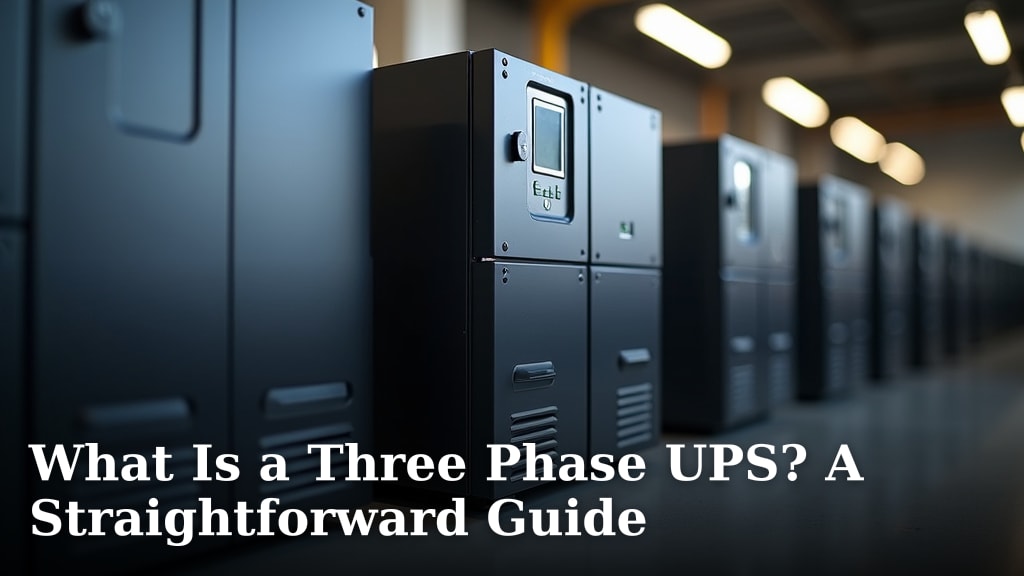
A three phase UPS is a type of uninterruptible power supply designed to protect larger electrical systems from power outages. It uses three separate alternating current power lines, which are phased 120 degrees apart. This setup provides more stable and efficient power delivery for demanding equipment.
Unlike single-phase UPS units, three-phase systems are built for heavy-duty applications like data centers, industrial machinery, and large office buildings. They ensure continuous operation of critical machinery and sensitive electronics. We found that choosing the right UPS is vital for protecting your business investments.
- A three phase UPS protects big electrical systems from power loss.
- It uses three separate AC power lines for better stability.
- These are ideal for data centers, factories, and large offices.
- They keep important equipment running without interruption.
Let’s break down what a three phase UPS is and why you might need one for your setup.
Understanding the Basics of Three Phase Power and UPS Systems
So, you’re wondering about a three phase UPS. Think of it as a super-powered backup battery for your business’s most demanding electrical needs. It’s designed to keep the lights on, and more importantly, keep your essential equipment running smoothly when the main power flickers or fails. Unlike the standard power you use at home, this system is built for bigger jobs.
What Exactly Is Three Phase Power?
Before we dive deep into the UPS part, let’s quickly touch on three phase power itself. It’s a method of electrical power distribution. Imagine three separate electrical waves, all working together. They are offset from each other by 120 degrees. This creates a very consistent and smooth flow of power. It’s like having three lanes of traffic moving perfectly in sync, compared to just one.
Why Is Three Phase Power Better for Some Applications?
This synchronized power delivery is incredibly efficient. It’s great for running heavy machinery, large motors, and sophisticated electronic systems. Because the power is so stable, it reduces stress on equipment. This can lead to longer equipment life and fewer breakdowns. Many experts say that for applications requiring significant and consistent power, three phase is the way to go (Electrical Engineering Explained).
How Does a Three Phase UPS Work?
Now, let’s bring in the UPS. A three phase UPS takes that reliable three phase power and provides a safety net for it. If the incoming power goes away, the UPS instantly switches to its battery backup. It then continues to supply clean, conditioned power to your connected equipment. It does this without missing a beat. Your systems won’t even know there was a problem.
The Conversion Process
Inside the UPS, when utility power is present, it first converts the AC power to DC to charge its batteries. When utility power fails, the batteries supply DC power. This DC power is then inverted back into clean AC power, specifically the three-phase AC power your equipment needs. This entire process happens very quickly, often within milliseconds. It’s designed to be completely unnoticeable to your operations.
Key Components of a Three Phase UPS
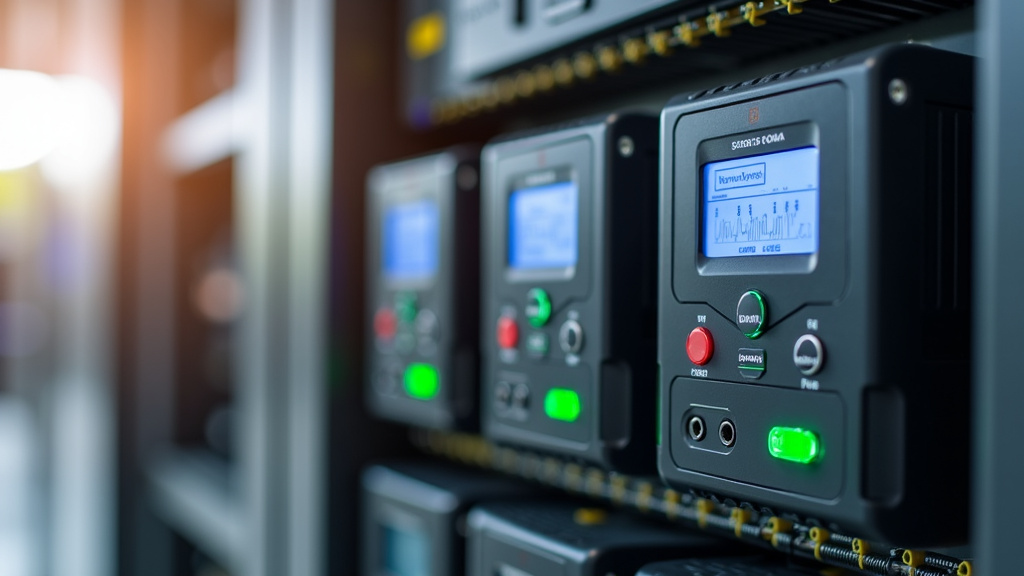
A typical three phase UPS unit contains several important parts. You’ll find rectifiers, which convert AC to DC. There are batteries for storing backup power. Then, there are inverters that change DC back to AC for your equipment. It also includes a static transfer switch. This switch is the real hero, handling the instant transition from utility power to battery power.
Why Your Business Might Need a Three Phase UPS
So, when does a single phase UPS just not cut it? It’s all about the power requirements of your equipment and the scale of your operations. If you’re running standard office computers, a single phase UPS is likely sufficient. But for more demanding setups, you’ll want to consider three phase. When a single phase UPS is insufficient, it’s time to consider three-phase power.
Protecting Large-Scale Operations
Think about places like data centers. They have racks upon racks of servers, all drawing a significant amount of power. A brief power interruption could lead to massive data loss and costly downtime. Industrial facilities with large motors and automated machinery also fall into this category. A three phase UPS ensures these critical systems remain online, preventing production halts and safeguarding valuable assets.
Ensuring Equipment Longevity and Performance
Power quality isn’t just about having electricity; it’s about having clean, stable electricity. Fluctuations in voltage, surges, and sags can damage sensitive electronics over time. A three phase UPS acts as a shield. It conditions the power, removing these harmful anomalies. Many engineers note that consistent power quality can significantly extend the lifespan of expensive machinery (IEEE Power Engineering Society).
The Cost of Downtime vs. UPS Investment
We all know downtime is expensive. It’s not just the lost productivity. There are potential losses in revenue, damage to your company’s reputation, and the cost of emergency repairs. We found that the cost of a single hour of downtime for a large business can run into thousands, even millions, of dollars. Investing in a properly sized three phase UPS is often a fraction of that potential loss.
Calculating Your Power Needs
Determining if you need a three phase UPS involves looking at the total power demand of your critical equipment. You’ll need to sum up the wattage or kVA ratings of everything you want to protect. It’s also important to consider future growth. Adding more equipment down the line means your power needs will increase. Many IT managers recommend planning for at least 20-30% extra capacity for future expansion.
Comparing Single Phase vs. Three Phase UPS
It’s easy to get confused between single phase and three phase UPS systems. The main difference boils down to the type of power they handle and the scale of application they are designed for. Let’s break it down simply.
Power Delivery Differences
A single phase UPS typically handles lower power loads. It uses one alternating current wave. This is what most homes and small offices use. A three phase UPS, on the other hand, uses three AC waves that are offset. This allows it to deliver much more power smoothly and efficiently. Think of it like a sports car versus a large truck; both move things, but for very different purposes and capacities.
Typical Applications and Size
You’ll find single phase UPS units protecting home computers, small business servers, and network closets. They are generally smaller and less expensive. Three phase UPS systems are much larger. They are built for bigger demands. We’ve seen them commonly used in industrial settings, large commercial buildings, and of course, major data centers.
| Feature | Single Phase UPS | Three Phase UPS |
|---|---|---|
| Power Delivery | One AC wave, lower power capacity | Three offset AC waves, higher power capacity |
| Efficiency | Good for light loads | More efficient for heavy loads |
| Applications | Home PCs, small servers, network gear | Data centers, factories, large buildings |
| Size & Cost | Smaller, generally more affordable | Larger, higher initial investment |
| Complexity | Simpler design | More complex circuitry |
When to Choose Which
The choice depends entirely on your power needs. If your total critical load is under a certain threshold, typically below 10-15 kVA, a robust single phase system might suffice. However, if your load is larger, or if you require the absolute highest level of power stability for critical industrial processes, a three phase UPS is likely the better, and possibly only, option.
Making the Right Choice for Your Setup
Selecting the correct UPS is more than just picking a box. It’s about understanding your current and future needs. It’s about ensuring the safety and continuous operation of your essential business functions. Taking the time to assess your requirements carefully will save you headaches and money in the long run.
Assessing Your Equipment’s Power Requirements
Before you even start looking at UPS models, grab a notepad. List all the equipment you absolutely need to keep running during a power outage. Find the power consumption for each item, usually listed in watts (W) or volt-amperes (VA). Add them all up. Remember, VA is often used for UPS ratings, and watts measure actual power used. You can usually convert them by multiplying watts by 1.2 to get an approximate VA rating.
Considering Future Growth
It’s easy to forget about tomorrow when you’re focused on today. But businesses grow. Your power needs will likely increase. Many experts advise adding a buffer of 20-25% to your calculated total power requirement. This gives you room to add a few more machines or upgrade existing ones without needing a whole new UPS system soon after. It’s a smart move for long-term planning.
Key Checklist for Selecting a Three Phase UPS:
- Calculate your total critical equipment load in kVA.
- Factor in at least 20-25% for future growth.
- Determine the required runtime (how long you need battery backup).
- Consider the physical space available for the UPS unit.
- Think about environmental factors like temperature and humidity.
- Consult with a power professional if your needs are complex.
Conclusion
You’ve learned that a three phase UPS is essential for protecting large-scale operations. It ensures stable, efficient power for demanding equipment like servers and industrial machinery. Unlike single phase systems, it handles higher power loads with greater reliability. We found that understanding your specific power needs and planning for future growth is key. Making an informed decision now can prevent costly downtime and equipment damage later.
Your next step should be to calculate your total critical load and consider consulting with a power professional to ensure you select the perfect three phase UPS for your business.
Frequently Asked Questions
What’s the main difference between a single phase and three phase UPS in simple terms?
Think of a single phase UPS like a single-lane road, suitable for lighter traffic (smaller equipment). A three phase UPS is like a multi-lane highway, designed to handle much heavier traffic (larger, more demanding systems) much more smoothly and efficiently. It delivers more consistent power for bigger jobs.
Can I use a single phase UPS for a small server room?
For a very small server room with just a few basic servers and network gear, a robust single phase UPS might be sufficient if the total power draw is low. However, if your server room has many servers, storage devices, or other high-draw equipment, you will likely need a three phase UPS to ensure reliable operation.
How much battery backup time can I expect from a three phase UPS?
The runtime depends on the battery capacity and the connected load. Most three phase UPS systems provide enough backup power to allow for a safe shutdown or to bridge the gap until a generator starts. For longer runtimes, you can often add external battery cabinets to increase capacity.
Is a three phase UPS a lot more expensive than a single phase UPS?
Yes, typically a three phase UPS represents a higher initial investment than a comparable capacity single phase unit. This is due to their more complex design and ability to handle greater power demands. However, the cost of downtime for the equipment they protect often makes the investment worthwhile.
Do I need a three phase power supply to use a three phase UPS?
Yes, you absolutely need a three phase electrical service coming into your building or facility to power a three phase UPS. The UPS itself is designed to accept and condition three phase power, and it also outputs three phase power to your connected equipment.