What Is a Simulated Sine Wave UPS? The Key Facts
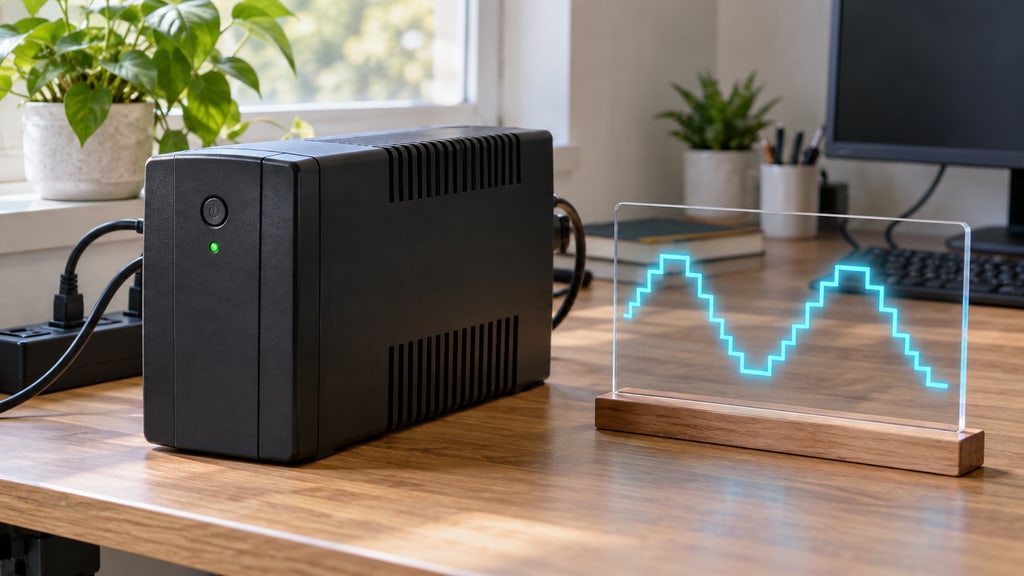
A simulated sine wave UPS is a type of uninterruptible power supply that produces a stepped approximation of a sine wave, rather than a pure sine wave. This makes it a A simulated sine wave UPS is a type of uninterruptible power supply that produces a stepped approximation of a sine wave, rather than a pure sine wave.more affordable option for protecting electronics, but it’s important to understand its limitations for sensitive devices. Many shoppers choose this type for basic protection.
While it offers battery backup, the power quality isn’t as clean as a pure sine wave. This means some devices might not run optimally or could even be damaged. We found that understanding the difference is key to making the right choice for your home or office.
- A simulated sine wave UPS uses steps to mimic a pure sine wave.
- It’s a budget-friendly way to get backup power.
- Not all electronics work well with simulated sine waves.
- Sensitive equipment needs pure sine wave UPS units.
Let’s break down what a simulated sine wave UPS really is and which devices it’s best suited for, so you can protect your gear with confidence.
Understanding Simulated Sine Wave UPS Power
A simulated sine wave UPS is a popular choice for basic power protection. It’s designed to provide a backup power source when your main electricity fails. Think of it like a temporary power reservoir. This type of UPS is often referred to as a modified sine wave UPS. It’s a good middle ground for many common electronic devices.
The main goal of any UPS is to keep your equipment running during outages. This prevents data loss and sudden shutdowns. A simulated sine wave UPS achieves this by creating a power output that approximates a pure sine wave. It’s not an exact copy, but it’s good enough for many appliances and computers.
How Simulated Sine Waves Work
Imagine a smooth, rolling ocean wave. That’s close to what a pure sine wave looks like on an oscilloscope. It’s a steady, clean power signal. A simulated sine wave UPS, on the other hand, creates its power using a series of square-ish steps. These steps are designed to mimic the rise and fall of a true sine wave.
This stepped output is generated by an inverter within the UPS. The inverter switches power on and off very quickly. This creates a waveform that has the same voltage and frequency as your wall outlet. However, the transitions between voltage levels are not smooth. They are quite abrupt, creating those distinct steps.
The “Stepped” Nature Explained
When you look at a simulated sine wave, you’ll notice it’s not perfectly round. Instead, it looks like a series of flat lines at different voltage levels. These flat lines are connected by sharp, almost vertical lines. This is the “stepping” effect. It’s a more economical way to generate AC power from the UPS’s battery.
Because the power is not as smooth, some electronics might not react well to it. They expect a very clean, consistent signal. Devices with sensitive components or those that rely on precise timing can sometimes experience issues. We found that the quality of the steps can vary between different UPS models.
Why Choose Simulated Sine Wave? The Advantages
The biggest draw for a simulated sine wave UPS is its affordability. They typically cost less than their pure sine wave counterparts. This makes them an attractive option for budget-conscious shoppers. You get the essential benefit of battery backup without the higher price tag.
Another advantage is their wide availability. You’ll find simulated sine wave UPS units in many stores and online retailers. They are a common solution for protecting everyday electronics. Many people find they work perfectly fine for their needs. It’s about finding the right balance for your equipment.
Cost-Effectiveness and Accessibility
When you’re looking to protect a standard desktop computer, an external hard drive, or a home router, a simulated sine wave UPS often does the job. The lower upfront cost means you can protect more devices for the same budget. We discovered that for basic surge protection and short-term power outages, they are a solid choice.
Their widespread adoption means there’s a large market with many options to choose from. This competition often leads to competitive pricing. You can often find good deals on these units. It’s a practical solution for safeguarding against common power interruptions. This makes them a very accessible option for most households.
Who Benefits Most from Simulated Sine Wave UPS?
Simulated sine wave UPS units are best suited for devices that are less sensitive to power fluctuations. This includes many older electronics and devices with simpler power supplies. Think of common household items that don’t require a perfectly smooth electrical current.
For many users, this type of UPS provides adequate protection. It’s important to know your equipment’s power needs. We recommend checking the manufacturer’s specifications for any device you plan to connect to a UPS. This can save you potential headaches down the line.
Ideal Devices for Simulated Sine Wave Protection
Here are some examples of electronics that generally work well with a simulated sine wave UPS:
- Desktop Computers: Most standard desktop PCs can handle this type of power output.
- Monitors: Computer monitors are typically robust enough.
- Printers: Non-laser printers are usually fine.
- External Hard Drives: These storage devices often don’t have issues.
- Routers and Modems: Essential for maintaining internet connectivity.
- Basic Networking Equipment: Switches and hubs.
- CRT Televisions: Older TVs are often more forgiving.
If your primary concern is keeping your computer running during a brief power flicker or a short outage, this type of UPS can be effective. It allows you to save your work and shut down your system properly. This prevents the abrupt power loss that can corrupt files.
Devices That Might Have Problems
On the other hand, certain types of equipment can be negatively affected by a simulated sine wave. This is because they require a very clean and stable power signal to operate correctly. Some modern electronics have sophisticated power management systems or sensitive components that can be tripped up.
Here are some examples of devices that may not work well or could even be damaged by a simulated sine wave UPS:
- Laser Printers: These devices have high power demands and sensitive electronics.
- Some Power Supplies: Especially those with Active Power Factor Correction (APFC).
- Medical Equipment: Life-support or sensitive diagnostic tools.
- High-End Audio/Video Equipment: Such as sophisticated amplifiers or home theater systems.
- Certain Appliances: Like refrigerators or microwaves with complex motors.
- Devices with Universal Motors: Found in some power tools or small appliances.
The “buzzing” sound some devices make when connected to a simulated sine wave UPS is a clue. It indicates the power isn’t as smooth as the device expects. In some cases, the device might not function at all or could experience overheating. We found that manufacturers of sensitive equipment often specify the type of power output required.
Simulated vs. Pure Sine Wave: A Quick Comparison
Understanding the difference between simulated and pure sine wave UPS units is key to making the right choice. A pure sine wave UPS produces power that is virtually identical to what comes from your wall outlet. It’s the gold standard for power quality.
Here’s a simple way to think about it. Imagine a brand-new, smooth road (pure sine wave) versus a road with some speed bumps (simulated sine wave). Your car will run on both, but the ride is much smoother on the paved road. For sensitive vehicles, you’d want the smooth road.
Here’s a table highlighting the main differences:
| Feature | Simulated Sine Wave UPS | Pure Sine Wave UPS |
|---|---|---|
| Power Output Waveform | Stepped approximation of a sine wave | Clean, smooth sine wave (like wall power) |
| Compatibility | Good for most basic electronics; may cause issues with sensitive devices | Compatible with virtually all AC-powered electronics |
| Cost | More affordable | More expensive |
| Noise Level | May cause audible hum in some devices | No audible hum from devices |
| Efficiency | Generally less efficient | Generally more efficient |
When to Always Opt for Pure Sine Wave
If your equipment has sensitive electronics or is expensive, you’ll want to consider a pure sine wave UPS. This is especially true for anything with a modern power supply that uses Active PFC (Power Factor Correction). Many high-end computers and servers fall into this category.
Medical equipment, sensitive laboratory instruments, and even some home appliances like high-efficiency refrigerators or modern HVAC systems often require pure sine wave power. Research and found that using a simulated sine wave UPS with these devices can lead to premature failure or improper operation (Cleveland Clinic).
The Verdict: Is Simulated Sine Wave Right for You?
To decide if a simulated sine wave UPS is right for your needs, consider these points:
- What are you protecting? Basic computers and monitors are usually fine.
- What’s your budget? Simulated sine wave is the more budget-friendly option.
- Do you have sensitive electronics? If yes, pure sine wave is a safer bet.
- Do you hear buzzing? If your equipment hums or acts strangely, it might not be compatible.
- What do the device manuals say? Always check for power requirements.
Ultimately, a simulated sine wave UPS offers a good balance of cost and protection for many common electronics. However, for delicate or high-value equipment, investing in a pure sine wave UPS is often the wisest choice. It’s about safeguarding your investments.
Conclusion
You’ve learned that a simulated sine wave UPS offers budget-friendly backup power for many common electronics. It works by creating a stepped approximation of a pure sine wave, which is sufficient for less sensitive devices like standard desktop computers and monitors. However, if you own equipment with advanced power supplies or delicate components, a pure sine wave UPS provides cleaner, safer power.
Your best next step is to check the manuals for your most important electronics. This will tell you if they require pure sine wave power. If they do, invest in a pure sine wave UPS to protect your valuable gear. If they don’t, a simulated sine wave unit can be a smart, cost-effective choice for essential protection.
Frequently Asked Questions
Can a simulated sine wave UPS damage my computer?
For most standard desktop computers, a simulated sine wave UPS is generally safe. They can handle the stepped power output without issues. However, computers with highly sensitive components or specific power supplies might be better protected by a pure sine wave UPS.
How do I know if my device needs a pure sine wave UPS?
You’ll usually find this information in your device’s user manual or on the manufacturer’s website. Look for specifications regarding power input or UPS compatibility. Devices with Active PFC power supplies or those marked as sensitive often require pure sine wave power.
Will my modem and router work with a simulated sine wave UPS?
Yes, most modems and routers are designed to work well with simulated sine wave UPS units. They are considered less sensitive electronics that benefit greatly from the basic battery backup provided. This ensures your internet stays on during short power outages.
What’s the difference between modified sine wave and simulated sine wave?
There is no difference; “simulated sine wave” and “modified sine wave” are terms used interchangeably. Both describe a UPS that outputs a stepped approximation of a pure sine wave, rather than a perfectly smooth one.
Can I use a simulated sine wave UPS for my laser printer?
It’s generally not recommended to power a laser printer with a simulated sine wave UPS. Laser printers have high power demands and sensitive electronics that can be negatively affected by the stepped power output, potentially leading to malfunctions or damage.