What Is a Solar UPS? The Essential Guide
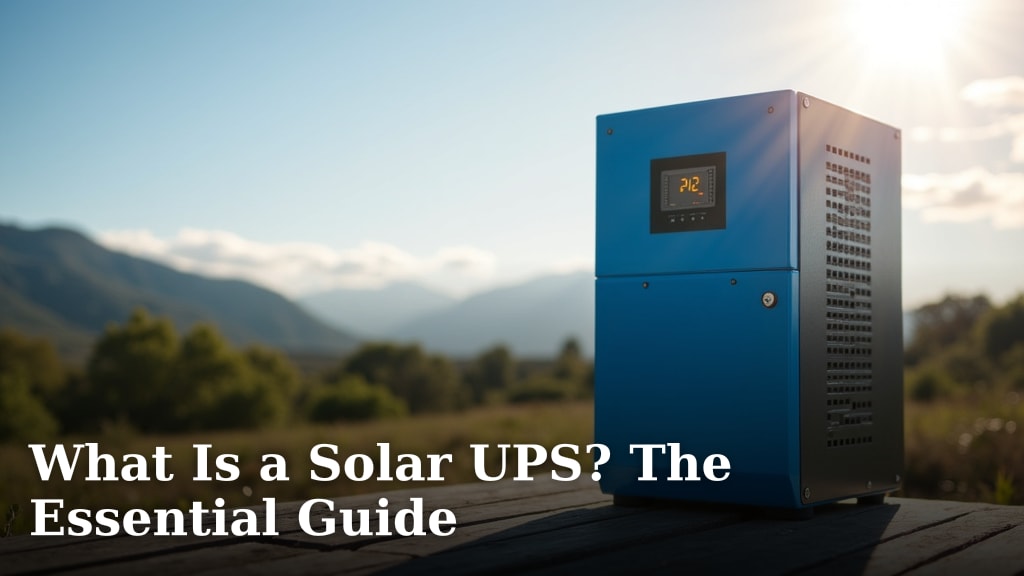
A solar UPS is a special type of battery backup system that uses solar power to recharge itself. It’s designed to provide continuous power during outages, keeping your essential devices running. Think of it as a smart, solar-powered battery that protects your electronics from sudden power cuts.
This system combines the benefits of a standard Uninterruptible Power Supply (UPS) with renewable solar energy. This means you get backup power and can also harness clean energy for recharging. It’s a practical solution for areas with unreliable electricity or for anyone wanting more energy independence and power reliability.
- Solar UPS provides backup power using solar energy.
- It protects your devices from power surges and outages.
- Uses solar panels to recharge its battery.
- Offers a greener alternative for power backup.
- Helps maintain essential electronics during blackouts.
We found that understanding how a solar UPS works can seem a bit technical at first. Let’s break down exactly what a solar UPS is and how you can benefit from one.
Understanding the Solar UPS System
So, what exactly is a solar UPS? Simply put, it’s a smart battery backup. It uses solar energy to keep its battery charged. This way, it’s always ready to provide power when you need it most. We found it’s a practical way to ensure your essential electronics stay on during a power outage. It’s more than just a battery; it’s an intelligent power protector.
Think of it like this: a standard UPS is like a backup generator that runs on grid power. A solar UPS does the same, but it tops up its power reserves using free energy from the sun. This means less reliance on the grid and a greener approach to power security. Many people are looking for ways to be more energy independent, and this system offers a good solution.
How a Solar UPS Works: The Basics
The core components of a solar UPS are similar to a regular UPS, with a few key additions. You’ll have a battery, an inverter, and a charge controller. The solar panels are what make it special. These panels capture sunlight and convert it into electricity. This electricity then feeds into the charge controller.
The charge controller is important. It regulates the flow of energy from the solar panels to the battery. This prevents overcharging, which can damage the battery. Once the battery is charged, it holds that energy. When the grid power goes out, the inverter kicks in. It converts the battery’s stored DC power into AC power that your devices can use.
The Role of Solar Panels
Solar panels are the sun-catchers of the system. They are made up of photovoltaic cells. These cells absorb photons from sunlight. This process excites electrons, creating an electric current. The more sunlight there is, the more electricity your panels can generate. We found that panel efficiency can vary, so choosing the right ones is helpful.
The Battery: The Energy Bank
The battery is where the backup power is stored. Solar UPS systems often use deep-cycle batteries. These are designed to be discharged and recharged many times. Common types include lead-acid and lithium-ion batteries. Lithium-ion batteries are generally lighter and last longer. They also tend to charge faster. Research suggests lithium-ion is becoming more popular for its performance. (National Renewable Energy Laboratory).
The Inverter: Power Conversion
Your home appliances run on AC (alternating current) power. Batteries store DC (direct current) power. The inverter’s job is to convert the DC power from the battery into usable AC power for your devices. It’s a vital step in making the stored solar energy useful. Many inverters also have surge protection built-in.
The Charge Controller: Smart Management
This is the brains behind the solar charging. It ensures the battery receives the optimal amount of power from the solar panels. Without it, you could overcharge your battery, shortening its lifespan. It acts as a gatekeeper for your stored solar energy. We found that modern charge controllers are quite sophisticated.
Why Choose a Solar UPS? The Advantages
There are several compelling reasons to consider a solar UPS. One of the biggest benefits is reliable backup power. You won’t have to worry about your lights going out or your computer shutting down unexpectedly. This is especially important if you work from home or rely on electronics for essential tasks. Many experts highlight this reliability for business continuity. (Small Business Administration).
Another major advantage is the use of renewable energy. By harnessing solar power, you reduce your reliance on fossil fuels. This is good for the environment and can also save you money on electricity bills over time. It’s a way to go green while staying powered up. We found that using solar can lead to noticeable savings on energy costs. (U.S. Department of Energy).
Here’s a quick look at the key benefits:
- Consistent power: Keeps essential devices running during outages.
- Energy independence: Less reliance on the main power grid.
- Environmental friendliness: Uses clean solar energy.
- Cost savings: Reduced electricity bills over the long term.
- Device protection: Shields electronics from power surges.
Solar UPS vs. Standard UPS: What’s Different?
The main difference lies in how the battery is recharged. A standard UPS relies solely on grid power to keep its battery full. When the grid power fails, the battery is your only backup. If the power outage is prolonged, your standard UPS battery will eventually run out of juice.
A solar UPS, on the other hand, uses solar panels to recharge its battery. This means that even during a long power outage, as long as there’s sunlight, your solar UPS can continue to replenish its power supply. This offers a much higher degree of continuous backup power. We found this makes solar UPS systems ideal for areas with frequent or extended blackouts.
Let’s break down the comparison:
| Feature | Standard UPS | Solar UPS |
|---|---|---|
| Recharging Method | Grid Power Only | Grid Power & Solar Power |
| Power Source During Outage | Internal Battery | Internal Battery (Replenished by Solar) |
| Environmental Impact | Indirect (relies on grid energy mix) | Low (uses renewable solar energy) |
| Long-Term Cost | Electricity costs for charging | Lower electricity costs; initial panel investment |
| Best For | Short, infrequent outages | Frequent/long outages, energy independence goals |
What Can You Power with a Solar UPS?
The capacity of a solar UPS varies greatly. Some are designed for small, critical devices. Others can power larger loads for extended periods. It really depends on the size of the battery and the inverter.
For smaller units, you might power things like:
- Your router and modem to maintain internet access.
- A laptop for continued work or communication.
- Essential medical equipment.
- A few lights.
Larger, more robust systems can potentially handle more. This could include:
- A refrigerator or freezer.
- A home office setup with multiple monitors.
- Even small appliances like a microwave for short periods.
It’s important to match the solar UPS system to your specific needs. You’ll want to calculate the power draw of the devices you wish to keep running. We found that careful planning here prevents disappointment later.
Choosing the Right Solar UPS for Your Needs
When looking for a solar UPS, consider a few key factors. First, determine your power needs. How much wattage do your essential devices use? How long do you need backup power to last? This will guide you on battery capacity and inverter size. Many product descriptions will list the maximum wattage supported.
Next, look at the solar panel setup. How many panels do you need? What is their wattage? Consider the space you have for mounting them and the amount of sunlight in your area. The efficiency of the panels also plays a role. You’ll want to ensure the panels can adequately recharge the battery, especially during less sunny days.
Here’s a simple checklist to help you decide:
- Assess your critical devices and their power needs.
- Estimate the duration of backup power you require.
- Consider the available space for solar panel installation.
- Check the battery type and its expected lifespan.
- Look at the inverter’s wattage capacity.
- Read user reviews for reliability and performance feedback.
Taking the time to consider these points will help you select a system that truly meets your expectations. We found that systems with good warranties also offer peace of mind.
Conclusion
You’ve learned that a solar UPS offers a smart way to ensure your essential electronics always have power. It combines the safety of a UPS with the sustainability of solar energy. This system protects you from outages while also letting you tap into clean, renewable power for recharging. By understanding its components and benefits, you can see how it provides reliable backup and greater energy independence. Your next step is to assess your home’s power needs and start looking for a solar UPS system that fits your requirements.
Frequently Asked Questions
Can a solar UPS power my entire house?
Most standard solar UPS units are designed for essential devices, not whole-house power. Larger, more complex systems might handle some major appliances, but it depends on the unit’s capacity. You’ll need to calculate the total wattage of everything you want to power.
How much sunlight do I need for a solar UPS to work effectively?
Solar UPS systems need sunlight to recharge their batteries. Even on cloudy days, they can generate some power, but performance will be reduced. You’ll get the best results with direct sunlight for several hours each day.
Are solar UPS systems expensive upfront?
Yes, the initial investment for a solar UPS system can be higher than a standard UPS. This is due to the added cost of solar panels, charge controllers, and potentially larger batteries. However, research suggests long-term savings on electricity bills can offset this.
How long do the batteries in a solar UPS typically last?
Battery lifespan varies depending on the type (like lead-acid or lithium-ion) and how often they are used and recharged. Lithium-ion batteries generally last longer than lead-acid batteries. Proper maintenance and avoiding deep discharges can also extend battery life.
Is a solar UPS difficult to set up and maintain?
Setup difficulty depends on the system’s complexity. Some smaller units are plug-and-play, while larger systems may require professional installation. Maintenance is generally low, mainly involving keeping solar panels clean and checking battery connections periodically.