What Is Backup Power for Electronics? A Handy Guide
Backup power for electronics is a system that provides electricity when your main power source fails. Think of it as a safety net for your devices. It ensures your essential gadgets keep running during an outage, preventing data loss and inconvenience. This system typically involves a battery or generator.
When the power goes out, backup systems automatically switch on. This keeps your computers, medical equipment, or even your Wi-Fi running smoothly. Having backup power means you won’t miss important work or lose cherished photos. It offers peace of mind in uncertain times. You’ll find many types of backup power solutions available.
- Backup power provides electricity when your main source fails.
- It keeps your electronics running during outages.
- Common types include batteries and generators.
- This prevents data loss and keeps essential devices powered.
- It offers peace of mind during power disruptions.
We’ve put together this guide to help you understand backup power. Below, we break down exactly what it is and how it can help you.
Understanding Your Backup Power Options
When your lights flicker and die, you might wonder what exactly is keeping your essential electronics humming along. Backup power is essentially a secondary electricity source. It kicks in automatically when your primary power grid fails. Think of it as a reliable friend who steps in when you need it most.
How Does Backup Power Work?
Most backup systems rely on stored energy. This energy comes from batteries or, in larger systems, from fuel-powered generators. When the main power goes out, a switch, often called a transfer switch, detects the outage. It then disconnects your devices from the failing grid. Simultaneously, it connects them to the backup power source. This process is usually very quick, often happening within milliseconds. Your electronics barely notice the change.
The Automatic Transfer Switch (ATS)
The Automatic Transfer Switch (ATS) is a key component. It acts like a vigilant gatekeeper. It constantly monitors your incoming power supply. If it detects a problem, like a blackout or a voltage drop, it immediately reroutes power. This ensures your connected devices never lose their electrical lifeline. Without an ATS, you’d have to manually switch to your backup power, which might be too late for sensitive electronics.
Types of Backup Power Solutions
Not all backup power is created equal. There are several options available, each with its own strengths. Choosing the right one depends on what you need to power and for how long. Let’s look at the most common types you’ll encounter.
Uninterruptible Power Supply (UPS)
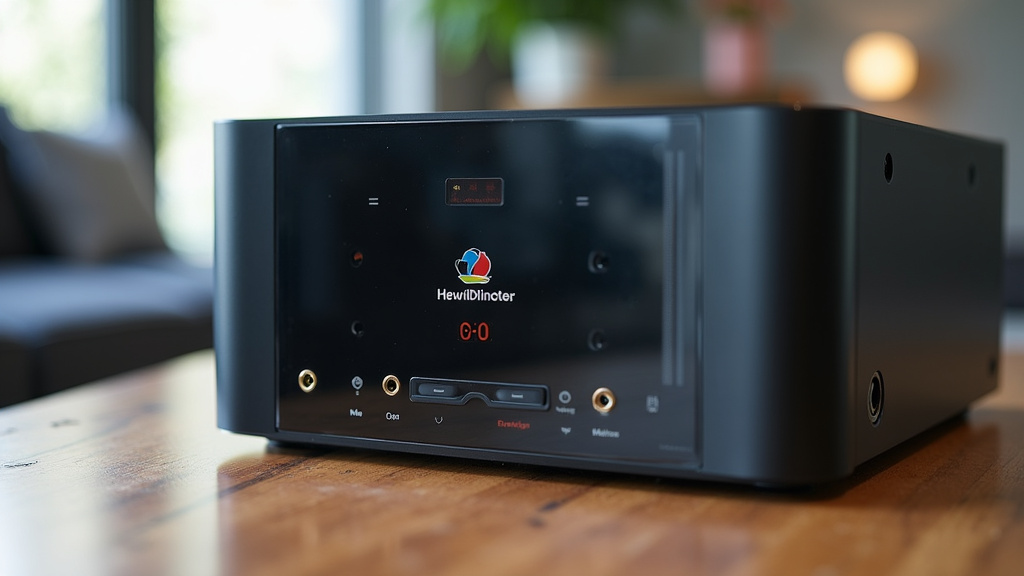
An Uninterruptible Power Supply (UPS) is a fantastic solution for protecting computers, servers, and other sensitive electronics. Its primary job is to provide clean, consistent power. It uses internal batteries to do this. When the main power fails, the UPS instantly switches to battery power. This gives you enough time to save your work and shut down your computer properly. Many UPS units also condition the incoming power, protecting against surges and sags.
We found that even a short power interruption can corrupt files or damage hard drives. A UPS prevents this by offering immediate battery backup. It’s like a tiny, personal power plant for your desk. Most UPS units are designed for short-term power needs, typically lasting from a few minutes to an hour. This duration is usually enough for a safe shutdown. They are lightweight and easy to set up, making them popular for home offices and small businesses.
Portable Power Stations
These are becoming increasingly popular for their versatility and portability. A portable power station is essentially a large battery with multiple outlets. You can charge them from a wall outlet, a car charger, or even solar panels. They come in various sizes, offering different capacities to power devices. You can use them to run small appliances, charge phones and laptops, or power medical equipment.
Think of them as rechargeable power banks for your entire home or a camping trip. They are quiet, produce no fumes, and are easy to move around. We discovered that many people use them during power outages to keep essentials running. They can also be handy for outdoor activities or as a backup for RVs. Their ability to be recharged by solar panels makes them an eco-friendly option for some users.
Portable Generators
Generators are a more robust backup power solution. They create electricity by burning fuel, typically gasoline, propane, or diesel. Portable generators can power a wide range of appliances, from refrigerators to sump pumps. They are ideal for longer power outages. However, they require fuel and produce noise and exhaust fumes. You’ll need to store fuel safely and operate them outdoors, away from windows and doors.
Many experts say that generators are a good choice when you need to power multiple devices simultaneously. They offer more power output than UPS units or portable power stations. However, they don’t typically provide the “clean” power that sensitive electronics prefer. Some generators can be equipped with voltage regulators to help with this. Operating a generator requires a bit more planning, including fuel management and maintenance.
Whole-House Generators
For the most comprehensive backup power solution, consider a whole-house generator. These are permanently installed systems that connect directly to your home’s electrical panel. They run on natural gas or propane and can power your entire home during an outage. They are typically much larger and more powerful than portable generators. An ATS is always included with these systems.
These units turn on automatically when power fails. They can keep everything running, from your HVAC system and lights to your appliances and entertainment systems. While they are a significant investment, they offer the highest level of convenience and protection. We found that homeowners often choose whole-house generators for peace of mind. They ensure that essential services and comforts remain available during extended outages.
Why Do You Need Backup Power?
Power outages can happen unexpectedly. They can be caused by storms, equipment failures, or grid overloads. Without backup power, your essential devices could shut down abruptly. This can lead to several problems. You might lose unsaved data on your computer. Your refrigerator might stop cooling, spoiling food. If you rely on medical equipment, an outage can be a serious health risk.
Protecting Your Data and Devices
For anyone working from home, a sudden power loss can be a disaster. Imagine losing hours of work because your computer shut off unexpectedly. A UPS can prevent this by giving you time to save your files. It also protects your electronics from power surges that can occur when the power comes back on. We found that consistent, clean power is essential for the longevity of electronic components.
Keeping Essential Services Running
Backup power isn’t just about convenience; it’s about safety and health. If you use medical devices like CPAP machines or oxygen concentrators, continuous power is vital. A power outage could interrupt treatment. Backup power ensures these devices continue to function. Similarly, keeping sump pumps running prevents basement flooding. Having your Wi-Fi router powered means you can still communicate and access information during an outage.
Maintaining Comfort and Security
Beyond essential functions, backup power can maintain a level of comfort and security. You can keep lights on, charge your phone, and even run a small heater or fan. This can make a significant difference during long outages, especially in extreme weather. Security systems also rely on power, so backup ensures your home remains protected. It provides a sense of normalcy when everything else is disrupted.
Factors to Consider When Choosing Backup Power
Selecting the right backup power solution involves a few key considerations. You need to think about what you want to power. Then, you need to determine how long you need that power to last.
What Do You Need to Power?
Start by making a list of the devices you absolutely cannot live without during an outage. This might include your computer, modem/router, refrigerator, essential medical equipment, or a few lights. For each device, note its wattage. This is the amount of power it consumes. You can usually find this information on a label on the device itself or in its user manual. Adding up the wattage of your essential items will give you a baseline of power needs.
How Long Will You Need Power?
Consider how long power outages typically last in your area. Are they usually brief, lasting only an hour or two? Or do they sometimes stretch into days? This will help you determine the required battery capacity or generator run time. A UPS is great for short outages or safe shutdowns. Portable power stations offer longer run times. Whole-house generators are designed for extended periods without grid power.
Budget and Installation
Your budget will play a significant role in your decision. UPS units and smaller portable power stations are generally more affordable. Portable generators are a mid-range option. Whole-house generators represent the largest investment. Also, consider installation. UPS units and portable power stations are plug-and-play. Portable generators require safe outdoor placement and fuel. Whole-house generators require professional installation.
A Quick Checklist for Your Backup Power Plan
Getting prepared doesn’t have to be overwhelming. Here’s a simple checklist to help you start thinking about your backup power needs:
- List all essential devices you want to power during an outage.
- Check the wattage requirements for each device.
- Estimate the typical duration of power outages in your area.
- Decide if you need instant power (UPS) or longer-term backup.
- Consider your budget for purchase and any installation costs.
- Ensure you have a plan for fuel or recharging your backup system.
Conclusion
Backup power is your essential defense against unexpected outages. It safeguards your electronics and maintains comfort during disruptions. You’ve learned about the different types, from quick-acting UPS units to robust whole-house generators. Each offers unique benefits for your specific needs. Now that you understand the options, take the next step. Create your personalized backup power plan by reviewing the checklist provided. This preparation ensures you’re ready when the power goes out.
Frequently Asked Questions
How much does backup power cost?
The cost varies greatly depending on the type of backup power system you choose. Simple Uninterruptible Power Supplies (UPS) for a single computer can be relatively inexpensive. Larger portable power stations or generators represent a higher investment, with whole-house generators being the most substantial purchase. We found that pricing typically scales with capacity and features.
Can I power my entire house with a portable generator?
Generally, portable generators are not designed to power an entire house. They are best suited for running a few essential appliances or circuits, like a refrigerator, a few lights, or a sump pump. You’ll need to carefully calculate the total wattage needed and ensure the generator can meet that demand. Whole-house generators are the systems built for powering an entire home.
How long do backup batteries typically last?
The battery life of backup systems depends on their capacity and the load they are powering. A UPS might provide power for just a few minutes, enough to save your work and shut down safely. Portable power stations and whole-house generator batteries can offer hours or even days of backup power. We found that usage dictates how quickly the battery drains.
Do I need a special transfer switch for a portable generator?
Yes, for safe and efficient operation, a transfer switch is highly recommended when connecting a portable generator to your home’s electrical system. It prevents backfeeding electricity onto utility lines, which can be dangerous for utility workers. Some portable generators might come with basic outlets that you can plug devices into directly, but a transfer switch offers better protection for whole-home backup.
What’s the difference between a UPS and a portable power station?
A UPS is primarily designed to provide instant, clean power to sensitive electronics like computers for short durations, ensuring a safe shutdown. A portable power station, on the other hand, is a larger battery designed to power multiple devices for longer periods and can often be recharged from various sources, including solar. We found they serve different, though sometimes overlapping, purposes.