What Is a Double Conversion UPS? Made Simple
A double conversion UPS, also known as an online UPS, is a type of uninterruptible power supply that offers the highest level of protection for your sensitive electronics. It works by continuously converting incoming AC power to DC, then back to clean AC power, creating a consistent and stable power source. This process ensures your devices are shielded from nearly all power problems.
Unlike standby or line-interactive UPS units, a double conversion UPS provides continuous power conditioning regardless of incoming power quality. This means your equipment is always protected by a perfect sine wave output, even during power outages or voltage fluctuations. Many experts say it’s the best choice for critical equipment like servers, medical devices, and high-end computers.
- A double conversion UPS constantly converts power.
- It provides the highest protection against power issues.
- Your devices get a perfectly clean and stable power output.
- This type is ideal for mission-critical equipment.
Ready to see how this advanced technology keeps your gear safe? Let’s break down exactly how a double conversion UPS works to give you that peace of mind.
Understanding the Double Conversion UPS System
So, you’re wondering how a double conversion UPS actually works? It’s a pretty clever piece of technology. Think of it like a dedicated power chef for your electronics. It takes whatever power comes from the wall, no matter how messy, and whips it into a perfectly clean and stable meal for your devices.
This isn’t just a simple backup; it’s a constant purification process. We’ll break down the magic behind the scenes, step by step. You’ll see why this method is considered the gold standard for protecting sensitive equipment.
How Does a Double Conversion UPS Deliver Such Clean Power?
The core of a double conversion UPS lies in its two-step power transformation process. It’s like a double-check to ensure only the best power reaches your electronics. This is the main difference from other UPS types.
Step 1: AC to DC Conversion
When you plug the UPS into the wall, the incoming Alternating Current (AC) power is immediately converted into Direct Current (DC) power. This happens regardless of whether the utility power is stable or not. It’s like turning tap water into a purified base.
This DC power is then used for two things. It directly feeds the inverter, which is getting ready to create clean AC power. It also charges the battery. So, the battery is constantly topped up and ready to go, even when the grid is fine.
Step 2: DC to AC Conversion (Inversion)
Next, the DC power is converted back into AC power. This is where the magic happens. The inverter generates a perfect sine wave output. This is a smooth, consistent wave of electricity that your sensitive equipment craves.
This newly created AC power is what actually supplies your connected devices. Because it’s generated internally by the UPS, it’s completely isolated from any issues on the incoming utility line. It’s like getting bottled water from your own high-tech purification system.
The Result: Always Clean Power
What this means for you is that your equipment is always receiving the highest quality power. There’s no switching time, no momentary dip, and no dirty power getting through. Even if the incoming power flickers, surges, or drops out entirely, your devices see nothing but a steady, clean sine wave.
Many IT professionals point to this continuous, perfect power output as the reason double conversion UPS units are essential for mission-critical systems. They found that this setup drastically reduces the risk of hardware malfunctions caused by power quality problems.
Why Is This Double Conversion So Important?
You might be thinking, “Why go through all this trouble?” The answer is simple: protection. The power from your wall outlet isn’t always as clean as it should be. Power problems can range from minor annoyances to major disasters for your electronics.
Common Power Problems You Avoid
Utility power isn’t perfect. We’ve all experienced brownouts or blackouts. But there are many other, less obvious power issues that can sneak up on your equipment.
- Surges: A sudden, brief spike in voltage. Think lightning strikes or the power coming back on after an outage. These can fry sensitive components.
- Sags (Brownouts): A brief dip in voltage. Your lights might dim. This can cause computers to crash or data to become corrupted.
- Overvoltage: Voltage that stays too high for too long. This can stress components and shorten their lifespan.
- Noise: Electrical interference from other devices on the same circuit, like motors or fluorescent lights. This can cause data errors.
- Frequency Variation: The cycles per second of the AC power can sometimes drift from the standard 60Hz. This can affect the timing of sensitive electronics.
A double conversion UPS acts as a shield against all these threats. Because the power is regenerated internally, it’s unaffected by these fluctuations. Your devices only see the clean, stable power produced by the UPS inverter.
The Zero Transfer Time Advantage
One of the most significant benefits is the zero transfer time. When there’s a power outage or a problem with the incoming line, the UPS doesn’t need to “switch” to battery power. It’s already running on battery-generated power.
With standby and line-interactive UPS systems, there’s a small delay, typically a few milliseconds, while the unit detects the power problem and switches to battery. For most devices, this is fine. But for highly sensitive electronics like servers or medical equipment, even that brief interruption can be enough to cause a reboot, data loss, or malfunction. A double conversion UPS eliminates this risk entirely.
Battery Efficiency and Longevity
Some people worry that running the UPS in this double conversion mode all the time wears out the battery faster. However, research and manufacturer data often show that this isn’t necessarily the case. The batteries in these units are designed for frequent charging and discharging cycles.
In fact, running the UPS in double conversion mode can sometimes lead to better battery health over time. This is because the charging process is carefully managed by the UPS electronics. Many experts suggest that the constant, regulated charging is often gentler on the batteries than the intermittent charging seen in less advanced UPS types.
Double Conversion vs. Other UPS Types: A Quick Comparison
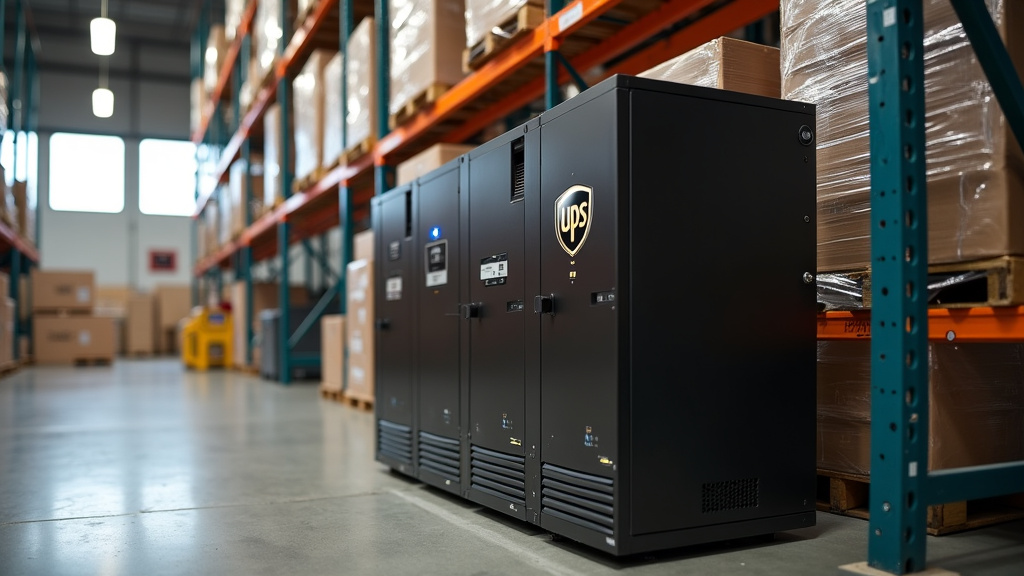
To really appreciate the double conversion UPS, it helps to see how it stacks up against its cousins. Understanding these differences can help you make the best choice for your needs.
Standby UPS (Offline)
This is the most basic type. It normally lets utility power pass straight through to your devices. The inverter is off. When power fails, it switches to battery power. There’s a brief transfer time (usually 2-10ms).
It offers surge protection but little else in terms of power conditioning. It’s best for non-critical home office equipment where a brief interruption isn’t a major issue.
Line-Interactive UPS
This type is a step up. It still uses the utility power most of the time, but it has an automatic voltage regulator (AVR). The AVR can boost or buck voltage without using the battery.
It also switches to battery power during an outage, but the transfer time is usually faster than a standby UPS (typically 2-5ms). It offers better protection against voltage fluctuations than a standby unit.
Double Conversion UPS (Online)
As we’ve discussed, this unit constantly converts AC to DC, then back to AC. The inverter is always on, providing perfectly conditioned power.
There is no transfer time during an outage. It offers the highest level of protection against all types of power problems. This is why it’s the preferred choice for critical applications.
Table: UPS Type Comparison
| Feature | Standby UPS | Line-Interactive UPS | Double Conversion UPS |
|---|---|---|---|
| Normal Operation | Passes utility power, surge protection | Passes utility power, AVR corrects voltage | Converts AC to DC, then DC to AC |
| Power Conditioning | Minimal | Moderate (AVR) | Excellent |
| Transfer Time | 2-10 ms | 2-5 ms | 0 ms |
| Protection Level | Basic | Good | Best |
| Typical Use | Home office, non-critical devices | Small office, home servers | Servers, medical equipment, critical systems |
When Do You Really Need a Double Conversion UPS?
Given the higher cost and efficiency considerations, you might wonder if you truly need this level of protection. The answer often comes down to the criticality of the equipment you’re protecting and the stability of your local power grid.
Protecting Your Most Important Gear
If you have equipment that simply cannot tolerate any interruption or power anomaly, a double conversion UPS is the way to go. We found that many businesses rely on them for:
- Servers and Data Centers: A single power blip can lead to lost data, corrupted files, and costly downtime.
- Medical Equipment: Life support machines, diagnostic tools, and other medical devices require absolute power reliability.
- Telecommunications Equipment: Ensuring uninterrupted communication lines is vital.
- Industrial Control Systems: Precise machinery and automated processes need stable power to function correctly.
- High-End Audio/Video: For professionals where sound or picture quality is paramount, clean power makes a difference.
- Sensitive Scientific Instruments: Experiments requiring exact conditions can be ruined by power fluctuations.
Assessing Your Power Quality
Do you live in an area known for frequent power outages, voltage sags, or surges? If your utility provider struggles with reliability, a double conversion UPS offers constant peace of mind. You don’t have to worry about the daily power grid hiccups.
We found that even minor, consistent power quality issues can stress electronic components over time, leading to premature failure. A double conversion UPS prevents this gradual degradation.
A Checklist for Deciding
Here’s a quick way to help you decide if a double conversion UPS is right for your situation:
- Is the equipment you want to protect extremely expensive or mission-critical?
- Does this equipment store or process vital data that cannot be lost?
- Is your local power grid frequently unreliable or prone to brownouts/surges?
- Do you need absolute zero downtime during power events?
- Are you protecting sensitive medical or scientific instruments?
- Are you looking for the highest possible level of power protection available?
If you answered “yes” to several of these questions, then a double conversion UPS is likely your best bet.
Conclusion
You’ve learned that a double conversion UPS offers the highest standard of power protection. By constantly regenerating your power, it shields your sensitive equipment from every type of electrical disturbance. This means your critical devices always receive a clean, stable sine wave, no matter what happens on the utility grid. While it’s an investment, the peace of mind and protection it provides for mission-critical gear are unmatched. If reliability is non-negotiable for your electronics, consider upgrading to this superior level of defense for ultimate security.
Frequently Asked Questions
How does a double conversion UPS differ from a line-interactive UPS?
The main difference is how they handle incoming power. A line-interactive UPS uses a voltage regulator but still passes utility power most of the time. A double conversion UPS, however, always converts AC to DC and then back to AC, providing a consistently cleaner power source. To understand the benefits of double conversion, learn more about how a line-interactive UPS compares.
Is a double conversion UPS more efficient than other types?
Generally, double conversion UPS units are less energy efficient because they are always converting power. This process generates some heat and uses a bit more electricity than standby or line-interactive models, which only engage their power conditioning when needed.
Will a double conversion UPS make my devices last longer?
Yes, by providing consistently clean and stable power, a double conversion UPS can help reduce stress on your electronic components. This consistent protection can lead to a longer operational lifespan for sensitive equipment that might otherwise be degraded by minor power fluctuations.
Are double conversion UPS units noisy?
Most modern double conversion UPS units are designed to be relatively quiet during normal operation. However, like any power supply, the cooling fans may become more audible when the unit is under heavy load or when running on battery power during an outage.
What is the cost difference between double conversion and other UPS types?
Double conversion UPS units are typically the most expensive option. This higher cost reflects the more complex internal components and the advanced, continuous power protection they provide, making them a premium choice for critical applications.