What Is a UPS with Pure Sine Wave Output? A Closer Look
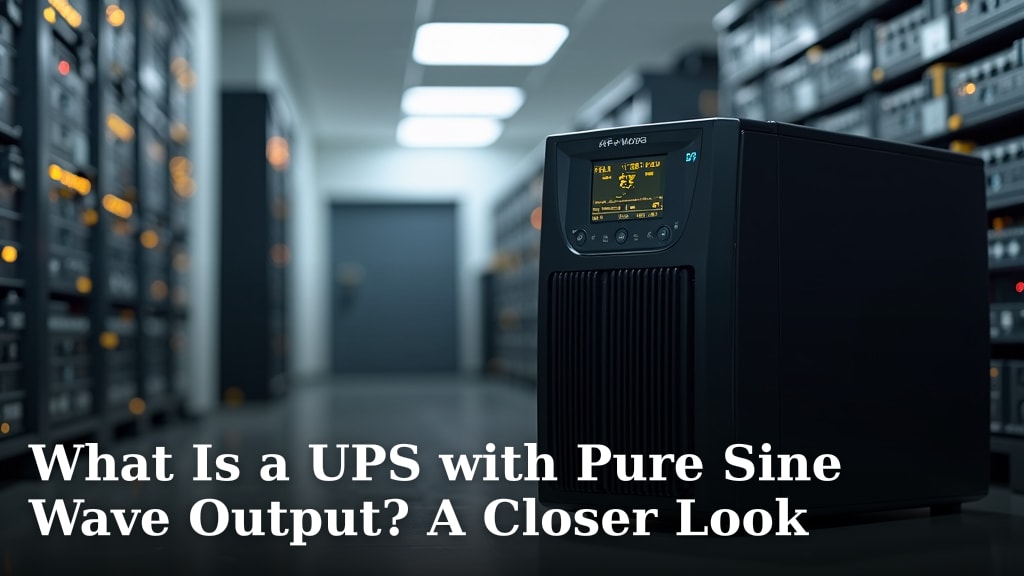
A pure sine wave UPS is a type of uninterruptible power supply that creates a clean, smooth power output. This is like the power coming straight from your A pure sine wave UPS provides a clean, smooth power output for sensitive electronics.electrical outlet. It’s essential for sensitive electronics that need stable power to run correctly.
Unlike less expensive UPS units that produce a modified sine wave, a pure sine wave UPS mimics utility power. This means it’s a better choice for computers, audio equipment, and medical devices. Protecting your gear from power fluctuations is important for its long-term health.
- A pure sine wave UPS provides clean, stable power.
- It’s like the power from your wall outlet.
- Best for sensitive electronics like computers and medical gear.
- Cheaper UPS models use a modified sine wave.
- Protecting your devices ensures they run properly.
Let’s take a closer look at what makes a pure sine wave UPS different and why you might need one for your home or office.
Understanding Pure Sine Wave Power from Your UPS
A pure sine wave UPS is a special type of uninterruptible power supply. It’s designed to provide the cleanest power possible. Think of it as recreating the exact electricity that comes from your home’s wall outlets. This is important for many electronic devices. A pure sine wave UPS is designed to provide the cleanest power possible.
What Exactly Is a Sine Wave?
Electricity in your home follows a specific pattern. This pattern is called a sine wave. It’s a smooth, curved line that goes up and down. This smooth flow is what most of your electronics expect to receive. It’s like a gentle, steady rhythm.
Most devices are built to work with this smooth, predictable power. When the power flow is steady, your electronics can operate without issues. They perform at their best and last longer.
The Difference: Pure vs. Modified Sine Wave
Not all UPS units provide this clean power. Many cheaper models use a “modified sine wave.” This power is more like a series of steps or blocks. It’s not as smooth as the power from your wall.
Imagine trying to play a smooth jazz song using only choppy, robotic notes. It just doesn’t sound right. Similarly, modified sine wave power can cause problems for sensitive electronics. Some devices might work okay, but others can have issues.
A pure sine wave UPS, on the other hand, creates that smooth, curved line. It’s a faithful copy of the power from the utility company. This is why it’s often called “clean power” or “utility-grade power.”
Why Modified Sine Wave Can Be a Problem
Modified sine wave power can create a lot of electrical “noise.” This noise can interfere with how sensitive electronics work. It can make them run hotter, work less efficiently, or even cause permanent damage over time. We found that some devices are more prone to this than others.
Some common issues with modified sine wave power include:
- Buzzing or humming sounds from audio equipment.
- Strange behavior in some computers or printers.
- Overheating of certain motors or appliances.
- Reduced performance or shorter lifespan for sensitive gear.
Who Needs a Pure Sine Wave UPS?
You might be wondering if you really need a pure sine wave UPS. The answer depends on the types of devices you want to protect. If you have standard office equipment, you might be fine with a modified sine wave UPS. But if you have more specialized or sensitive electronics, a pure sine wave model is often the better choice.
Sensitive Electronics and Pure Sine Wave
Many modern electronics are sophisticated. They are designed with precise components that rely on clean power. Think of devices like:
- High-end computers and servers
- Advanced networking equipment
- Modern flat-screen TVs and audio systems
- Some medical devices
- Gaming consoles
- Variable speed motors
These devices can be very particular about the power they receive. A modified sine wave can disrupt their internal circuits. This can lead to errors, data corruption, or even failure. Many tech manuals will specify “pure sine wave” or “sine wave output” for optimal performance.
Audio and Video Equipment: A Common Concern
If you have a home theater system or a high-fidelity audio setup, you know how important clean sound is. Modified sine wave power can introduce an audible hum or buzz into your speakers. This can really spoil the listening experience. A pure sine wave UPS ensures that your audio equipment receives the clean power it needs for clear, unadulterated sound.
Medical Devices: Critical for Stable Power
For anyone relying on medical equipment at home, power stability is not just a convenience – it’s essential. Devices like CPAP machines, oxygen concentrators, or infusion pumps need a constant, clean power source. A power outage or fluctuation could be serious. A pure sine wave UPS offers the most reliable protection for these life-sustaining devices. Many medical guidelines recommend sine wave power for critical home medical equipment (FDA).
When Modified Sine Wave Might Be Okay
So, when is a modified sine wave UPS sufficient? We found that simpler devices with basic power supplies are often less affected. This can include:
- Older desktop computers with older power supplies.
- Basic monitors.
- Simple printers.
- Some lighting.
However, even with these devices, there’s always a risk. Modern electronics are becoming more complex. A pure sine wave UPS offers broader compatibility and better protection for your investment. It’s like choosing the most durable tool for the job, even if a simpler one *might* work.
How Does a Pure Sine Wave UPS Work?
Inside a UPS, there’s a battery that stores power. When the main power goes out, the UPS switches to battery power. The magic happens in the inverter component of the UPS. This is what converts the battery’s DC power into the AC power that your devices use.
The Inverter’s Role
A pure sine wave inverter uses more sophisticated electronics. It carefully shapes the DC power into a smooth, continuous sine wave. This process is more complex than what’s needed for a modified sine wave.
A modified sine wave inverter, on the other hand, creates a power signal that’s approximated by steps. It’s a quicker and cheaper way to generate AC power from DC. While it provides voltage and frequency, the waveform isn’t as clean or smooth. It’s like drawing a circle with straight lines instead of a smooth curve.
Switching Speed Matters Too
Another important factor is how quickly the UPS can switch from utility power to battery power. A fast transfer time is essential to prevent your electronics from even noticing a brief interruption. Pure sine wave UPS units often have very fast transfer times, minimizing any disruption.

Comparing Pure Sine Wave UPS Models
When you’re shopping for a pure sine wave UPS, you’ll notice a few things. They generally cost more than their modified sine wave counterparts. This is due to the more advanced technology and components required to produce clean power.
What to Look For in a Pure Sine Wave UPS
Beyond just the pure sine wave output, consider these factors:
- VA and Wattage Rating: This tells you how much power the UPS can supply. Make sure it’s enough for all the devices you plan to connect.
- Battery Run Time: How long will the UPS keep your devices running on battery power? This is crucial for critical equipment.
- Number of Outlets: Do you need surge protection only, or battery backup for all outlets?
- Features: Look for things like surge protection, network management capabilities, and software for graceful shutdowns.
Making the Right Choice for Your Budget
While pure sine wave UPS units are more expensive, many experts say the investment is worth it for sensitive electronics. Think about the cost of replacing damaged equipment versus the upfront cost of a better UPS. For critical systems, the peace of mind is often priceless.
Is a Pure Sine Wave UPS Always Necessary? A Quick Checklist
To help you decide if a pure sine wave UPS is right for you, ask yourself these questions:
- Do I have sensitive electronics like high-end computers, audio gear, or medical devices?
- Is the smooth, clean power output of a pure sine wave essential for their proper function?
- Am I experiencing issues like buzzing or poor performance with my current UPS?
- Can I afford to risk damage to my valuable equipment from unstable power?
- Is the slightly higher cost of a pure sine wave UPS a reasonable investment for reliable protection?
If you answered yes to several of these questions, a pure sine wave UPS is likely your best option. It provides the highest level of protection for your valuable and sensitive electronics.
| Feature | Pure Sine Wave UPS | Modified Sine Wave UPS |
|---|---|---|
| Power Output | Smooth, clean, like wall power | Stepped, choppy waveform |
| Compatibility | Excellent, ideal for all electronics | Good for basic electronics; can cause issues with sensitive devices |
| Price | Generally higher | Generally lower |
| Noise Level | Very low or none | Can cause buzzing or humming in some devices |
| Best For | Computers, servers, medical equipment, audio/video gear, sensitive electronics | Basic computers, printers, less sensitive equipment |
Conclusion
You’ve learned that a pure sine wave UPS provides the cleanest, most stable power, just like your wall outlet. This is essential for protecting sensitive electronics from damage or performance issues caused by less refined power. While modified sine wave UPS units are cheaper, they can’t offer the same level of reliability for modern devices. For your computers, audio equipment, and medical gear, a pure sine wave model is the safer, smarter investment.
Your next step: check the manuals for your most important electronics to see if they recommend pure sine wave power, and then compare pure sine wave UPS models based on your specific needs and budget.
Frequently Asked Questions
What’s the main difference between pure sine wave and modified sine wave?
A pure sine wave UPS outputs smooth, clean power that perfectly mimics your wall outlet. A modified sine wave UPS creates a “stepped” or blocky waveform, which is less ideal for sensitive electronics. Our research shows this difference can impact device longevity and performance.
Do I really need a pure sine wave UPS for my computer?
Many modern computers, especially high-end ones with sophisticated power supplies, benefit greatly from pure sine wave power. It ensures stable operation and can prevent potential issues that might arise from a choppy waveform. If your computer manual specifies sine wave power, a pure sine wave UPS is your best bet.
Will a modified sine wave UPS damage my audio equipment?
While it might not cause immediate damage, a modified sine wave UPS can introduce audible buzzing or humming into your speakers. This “noise” degrades your listening experience. Pure sine wave power is recommended for audio gear to ensure clear, uninterrupted sound.
Are pure sine wave UPS units much more expensive?
Yes, pure sine wave UPS units typically cost more than their modified sine wave counterparts. This is due to the more complex technology and components required to produce a clean, smooth power output. We found the price difference is often justified by the enhanced protection they offer.
How can I tell if my device needs pure sine wave power?
Check your device’s user manual or manufacturer’s website; they often specify “sine wave” or “pure sine wave” output requirements. If you’re unsure, and the device is expensive or critical (like medical equipment), it’s safer to opt for a pure sine wave UPS for maximum compatibility and protection.