9 Best Solar Panels for Goal Zero Yeti Power Stations (November 2026)
The best solar panels for Goal Zero Yeti power stations include the ZOUPW 100W Portable Solar Panel for Power for connector flexibility, the Renogy 100 Watt ShadowFlux Flexible Solar Panel for curved installations, and the Goal Zero Boulder 50 Watt Monocrystalline Solar for smaller Yeti setups.
On this page (6 sections)
The best goal zero yeti solar panels depend on the Yeti's input limit and connector. The Goal Zero Boulder 50 is the simplest smaller-system pick, while the Goal Zero Nomad 100 and ZOUPW 100W offer more output for compatible setups.
That simple difference matters more than the headline wattage on the box. A panel can look ideal for camping or backup use, yet it will not charge well if its voltage falls outside the range your Yeti accepts.
Start by checking what is a portable solar panel if you're new to solar charging. That guide explains the basic parts, so the product comparisons below will make more sense.
Then compare the panel's maximum voltage, wattage, plug type and physical setup with your Yeti model. Measure the space you have for transport and storage before you decide between a framed panel, a suitcase, a blanket or a flexible panel.
In practice, the right choice depends on how you will use it most often. A small panel suits short trips and low draw devices, while a larger panel suits a station you run for several hours each day.
It also depends on where you camp. Partial shade, a curved roof, reflective ground or limited flat space can change which design works best, even when two panels share the same watt rating.
Use the sections below to match each design to a real use case. Look first at connector and input compatibility, then at weight, folded size and setup effort.
A few minutes of checking before you buy will save frustration later. Confirm what your Yeti can accept, confirm what cable the panel actually includes, and confirm how you will carry and store it between trips.
Our picks at a glance
-
1
 Best for connector flexibility
ZOUPW 100W Portable Solar Panel for Power
9.7/10 our score
See it on Amazon -
2
 Best for curved installations
Renogy 100 Watt ShadowFlux Flexible Solar Panel
9.4/10 our score
See it on Amazon -
3
 Best for smaller Yeti setups
Goal Zero Boulder 50 Watt Monocrystalline Solar
9.1/10 our score
See it on Amazon
- 4
 Check it
Renogy 400W Portable Solar Panel for Power
Best for maximum portable output - 5
 Check it
Goal Zero Boulder 200 Briefcase
Best for rugged briefcase setup - 6
 Check it
Renogy 220W Portable Solar Panel
Best for quick suitcase setup - 7
 Best for small USB devicesCheck it
- 8
 Check it
Goal Zero Nomad 100 Watt Monocrystalline Portable
Best for foldable Yeti pairing - 9
 Check it
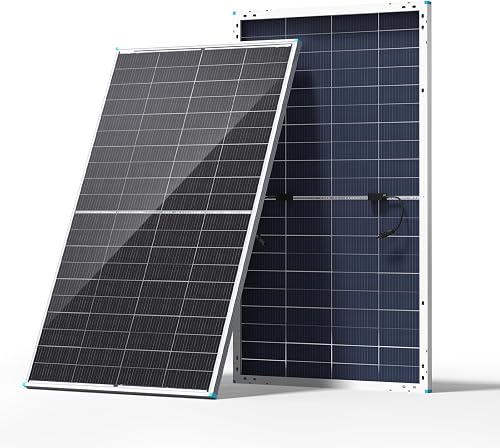
Renogy Bifacial Solar Panel 200W N-Type
Best for reflective ground surfaces
The best goal zero yeti solar panels by use
The best match is the panel that stays within your Yeti's solar input limits and fits the way you camp. We compared output, connectors, portability, construction and setup needs, then ranked the products by fit for this search.
Our score weighs specs, features and buyer feedback against what you're shopping for.
ZOUPW 100W Portable Solar Panel for Power: Best for connector flexibility
- 100 watts
- 23.5% efficiency
- 5-in-1 connector cable
- IP67 waterproof ETFE coating
The ZOUPW combines 100 watts with a 5-in-1 cable, making it the most flexible pick when your Yeti setup needs a compatible connector.
Pros
- Wide connector selection
- Foldable design
- IP67 waterproof panel body
Cons
- Power station input limits can reduce charging speed
- USB hub and cables need protection from water
The ZOUPW 100W is the most flexible pick when you need to match different power station inputs. Its 5-in-1 cable includes DC8020, XT60, Anderson, DC7909 and DC5521 connectors.
That range helps when you own more than one station or move the panel between systems. You can select the included plug that fits, rather than planning an extra adapter purchase before your first trip.
The panel reaches 100 watts and uses 23.5% monocrystalline efficiency. Its IP67 waterproof body has an ETFE coating, while the built-in USB hub and cables need protection from water.
Two kickstands help angle the folded panel, and the unit weighs 9.5 lb. It folds to 24.13 x 21.06 x 1.77 in, so it is easier to store than a rigid framed panel.
Setup is straightforward for campsite use. Unfold the panel, set the stands, point it toward the sun, and connect the correct plug to your station.
The key check is your Yeti's input limit. If the station accepts less than 100 watts, the panel can still be used, but the station limits how much power it draws.
Choose it for connector flexibility and a 100W foldable format. Check the Yeti input and select the correct included plug before connecting.
Renogy 100 Watt ShadowFlux Flexible Solar Panel: Best for curved installations
- 100 watts
- 25% efficiency
- 270° flexibility
- IP68 outdoor protection
This lightweight flexible panel suits RV roofs, boats and other curved surfaces where a framed panel is difficult to place.
Pros
- Lightweight construction
- Flexible curved-surface design
- ShadowFlux anti-shading technology
Cons
- No Yeti connector is listed in the supplied product data
- It is a panel only
The Renogy 100 Watt ShadowFlux is best for a curved roof, boat surface or other tight installation. It weighs 4.2 lb and is only 0.1 in thick.
Its 270° flexibility lets it follow curved surfaces along the long axis. Renogy also uses TPO material, glass-fiber reinforcement and IP68-rated protection for outdoor use.
The panel has 25% efficiency, 48 cells and a maximum output of 100 watts. ShadowFlux cell-level bypass technology is designed to reduce power loss when part of the panel is shaded.
That design suits real campsites where leaves, branches, rigging or roof fittings cast small shadows. It will not remove the effect of shade completely, but it is meant to keep output more stable than a standard layout.
Low weight is a major benefit for one person handling the panel. It is far easier to lift onto an RV or boat than a framed panel of similar output.
This is a panel-only option, and the data does not identify a Goal Zero 8mm connector. Confirm the cable, voltage and Yeti input before choosing it for a Yeti system.
Choose it when installation shape and low weight matter most. A framed Goal Zero panel is simpler if you want a stated Yeti connection.
Goal Zero Boulder 50 Watt Monocrystalline Solar: Best for smaller Yeti setups
- 50 watts
- Built-in kickstand
- Tempered glass and aluminum frame
- Charges Yeti power stations
The Boulder 50 is a direct, Yeti-focused choice for buyers who want a framed panel with a kickstand and a moderate 50-watt output.
Pros
- Goal Zero Yeti compatibility
- Tempered glass and aluminum frame
- Built-in kickstand
Cons
- Lower output than the 100W and 200W options
- Heavier than flexible panels
The Goal Zero Boulder 50 is the clearest fit for a smaller Yeti setup because it is specifically described as charging Yeti power stations. Its 50-watt output suits buyers who value a simple, moderate-size panel.
The tempered glass and aluminum frame add structure, while the built-in kickstand helps position the panel. It measures 26.75 x 21.75 x 1.75 in and weighs 12.4 lb.
The panel has a maximum voltage of 22 volts and a stated efficiency of 22.6%. A cord and built-in kickstand are included.
Its main trade-off is output. It is easier to match with a smaller setup than a 200W or 400W panel, but it will generally provide less charging power when sunlight and input limits are otherwise equal.
Choose it for a direct Goal Zero pairing and sturdy framed design. Pick a higher-output model if your Yeti accepts more power and you need faster solar charging.
Renogy 400W Portable Solar Panel for Power: Best for maximum portable output
- 400 watts
- 25% efficiency
- 16-fold design
- MC4 output
This solar blanket offers the highest stated output here, but Yeti buyers must confirm the station's input limits and obtain a suitable adapter for its MC4 output.
Pros
- Highest wattage in this roundup
- Compact folded form
- Shoulder straps included
Cons
- 4-in-1 adapter sold separately
- Large output may exceed a Yeti input limit
The Renogy 400W Portable Solar Panel is the highest-output option here. Its 16-fold solar blanket folds to 16.54 x 15.83 x 4.13 in and weighs 16.1 lb.
It uses 16BB N-Type cells and claims 25% efficiency. The blanket can be placed on a windshield, sunny ground or between trees and racks, with tie-downs, stakes or weights used for windy campsites.
Partial folding can reduce the working size to 300W, 200W or 100W without tools. That helps on uneven ground or when you only have a small patch of clear sun available.
The output is MC4 only, and the 4-in-1 adapter is sold separately. That makes connector planning especially important for a Goal Zero Yeti.
A Yeti may also limit the power it accepts. Confirm the station's maximum solar input before choosing a 400W panel, because extra panel capacity does not override that limit.
Shoulder straps are included for carrying the folded blanket to a sunny spot. Still plan for wind, because a large blanket presents more surface area than a small suitcase.
Choose it when you have a high-input Yeti and want a compact folded blanket. Skip it if you want a ready-to-connect Goal Zero cable.
Goal Zero Boulder 200 Briefcase: Best for rugged briefcase setup
- 200-watt briefcase design
- Tempered glass and aluminum frame
- Built-in legs
- Protective canvas bag
The Boulder 200 Briefcase fits buyers who value a sturdy folding frame and built-in legs over low carrying weight.
Pros
- Folding briefcase format
- Built-in stabilizing legs
- Protective canvas bag included
Cons
- Heaviest option here
- Confirm connector and Yeti input matching before buying
The Goal Zero Boulder 200 Briefcase suits buyers who want a rugged folding frame and built-in legs. Its tempered-glass and aluminum-frame construction gives it a more structured format than a flexible blanket.
The unit folds into a briefcase form and measures 40 x 26.75 x 3.5 in. At 42 lb, it is the heaviest panel in this group, so it works best when transport distance is short.
Two 100-watt panels are connected by a hinge, and the legs include stake-down loops. A protective canvas bag is included.
The frame format can be helpful at a fixed campsite, tailgate or emergency setup. You can set it in one sunny place, secure the legs, and leave it there while you use the station nearby.
Confirm the connector and Yeti input before buying. The product data identifies a USB connector, so do not assume it uses the same connection as every other Goal Zero panel.
Weight also affects where you can place it. This is not the panel to carry on a long hike or lift onto a high roof on a regular basis.
Choose it for a fixed campsite, tailgate or emergency setup where frame strength matters more than low weight.
Renogy 220W Portable Solar Panel: Best for quick suitcase setup
- 220 watts
- 23% efficiency
- Rust-proof kickstands
- IP68 waterproof connectors
This portable suitcase gives you 220 watts in a foldable format, with kickstands that support fast setup for compatible power stations.
Pros
- Higher output than 100W panels
- Carry case included
- Foldable suitcase design
Cons
- 4-in-1 adapter sold separately
- MC4 output needs connector planning
The Renogy 220W Portable Solar Panel is a middle ground between 100W panels and the larger 400W blanket. Its foldable suitcase design includes rust-proof kickstands and a carry case.
The panel reaches 220 watts and uses 23% efficiency. It weighs 15.9 lb and folds to 18.11 x 27.17 x 3.15 in.
Setup is designed to be fast. Unfold the suitcase, extend the kickstands, angle it toward the sun, and connect the cable to a compatible station.
The connectors are IP68 waterproof, but the output is MC4 only. Renogy identifies a 4-in-1 adapter as sold separately, so you will need to confirm the correct connection for your Yeti.
Parallel wiring is designed to reduce the impact of individual shadows. Real charging speed still depends on sun angle, shade, cable length and the Yeti's input limit.
The carry case helps protect the folded panel during transport. It also makes the suitcase easier to pair with RV trips, overlanding and van camping where storage space is limited.
Choose it when you want more than 100 watts in a suitcase format. Confirm that your Yeti can accept its voltage and current before connecting it.
Goal Zero Nomad 5 Solar Panel: Best for small USB devices
- 5 watts
- USB output
- Built-in adjustable kickstand
- Monocrystalline laminate
The Nomad 5 is for direct USB charging and small devices, not for quickly recharging a full-size Yeti power station.
Pros
- Small and lightweight
- USB-A output
- Simple kickstand
Cons
- Only 5 watts
- Not a full-size Yeti charging panel
The Goal Zero Nomad 5 is for small USB devices, not fast Yeti charging. Its 5-watt monocrystalline panel includes a USB output and adjustable kickstand.
It measures 9.45 x 1.1 x 7.01 in and weighs 360 g. That makes it the easiest panel here to carry in a small pack.
The Nomad 5 can directly charge phones, power banks, headlamps, fitness trackers, lanterns and other small USB-A devices. Its low output is the main trade-off.
Use it as a small-device charger or as part of a compact USB setup. For a full-size Yeti, choose a panel with a stated power station connection and a higher watt rating.
The adjustable kickstand helps you tilt the small panel toward the sun. In daily use, that simple adjustment can make a difference when you are charging a phone at a picnic table or trailside stop.
It suits short trips where every gram matters. It is less suited to running larger loads or refilling a power station quickly.
Choose it for lightweight USB charging during short trips.
Goal Zero Nomad 100 Watt Monocrystalline Portable: Best for foldable Yeti pairing
- 100 watts
- 8mm Goal Zero connector
- Foldable design
- Weatherproof construction
The Nomad 100 is a natural match for buyers who want a foldable panel with an 8mm Goal Zero connector for Yeti power stations.
Pros
- Yeti-focused 8mm connector
- Foldable and portable
- 100-watt output
Cons
- Heavier than flexible 100W panels
- A combiner cable is needed to chain multiple panels
The Goal Zero Nomad 100 is the most natural foldable choice for a Yeti-focused setup. Its 8mm Goal Zero connector is designed for plug-and-play use with Goal Zero Yeti power stations.
The panel produces 100 watts and folds to 20 x 15 x 2 in. It weighs 12 lb and provides an 18 to 22 volt range.
The weatherproof panel includes a kickstand and built-in charging cables. It can also be chained with other Nomad 100 panels, but multiple panels require an 8mm to APP combiner cable.
Compared with the ZOUPW, the Nomad 100 offers less connector variety. Its advantage is a more direct Goal Zero connection for buyers already using Yeti equipment.
For everyday camping, the foldable format is easy to carry and quick to set up. Unfold it, adjust the kickstand, and connect it to a compatible Yeti station.
It is heavier than a flexible 100W panel, but lighter than many framed options. That balance makes it practical for car camping and mobile basecamps.
Choose it when a foldable 100W panel and Goal Zero connector are your main priorities.
Renogy Bifacial Solar Panel 200W N-Type: Best for reflective ground surfaces
- 200 watts
- 25% efficiency
- Bifacial design
- IP68 construction
This rigid panel suits a more permanent setup where reflected light from snow, sand, concrete or light-colored surfaces can reach its rear side.
Pros
- Bifacial power collection
- 200-watt output
- Anti-shade dual-module design
Cons
- Heavier and larger than foldable panels
- Yeti connector compatibility needs confirmation
The Renogy Bifacial Solar Panel 200W N-Type fits a more permanent RV, boat, cabin or off-grid installation. Its bifacial design can collect reflected light from snow, sand, concrete and light-colored rooftops.
The panel has 200 watts of output and 25% efficiency. It measures 51.7 x 30.1 x 1.2 in and weighs 22.7 lb.
A dual-module parallel design is intended to reduce power loss when one section is shaded. The IP68 construction and reinforced frame suit outdoor placement.
This is a rigid panel, not a small foldable travel panel. Confirm the Yeti's voltage and connection requirements before choosing it, especially if you plan to move the panel often.
Reflective surfaces matter for this design. A light-colored roof, pale concrete pad or snow-covered ground can send light to the rear side that a standard panel would miss.
Placement is therefore part of the decision. If the panel will sit flat for long periods, mounting height, tilt and what lies beneath it can affect daily output.
Choose it when reflective ground and long-term placement matter more than compact storage.
How to match a solar panel to a Goal Zero Yeti
Match the panel's voltage and connector before comparing wattage. A panel can have enough power on paper but still be unsuitable if its plug does not fit or its electrical output falls outside the Yeti's accepted range.
Wattage alone does not tell the full story. Higher output can be useful, but only when the station can accept that power safely and in its preferred voltage range.
Check these details on your Yeti:
- Maximum solar input wattage
- Accepted voltage range
- Maximum current
- Connector type
- Whether multiple panels can be connected
Write those details down before you compare products. It makes shopping easier because you can rule out panels that look attractive but do not fit your station.
For a broader comparison of charging formats, see our guide to the best portable power station solar charger. It explains how panel output and station input limits work together.
The Goal Zero Boulder 50 and Nomad 100 are the simplest starting points when you want a Goal Zero-branded panel. The ZOUPW is more flexible across connector types, while Renogy's larger panels need closer input and adapter checks.
Also check the physical side of the match. A panel that fits your input may still be too large, too heavy or too awkward to place where you camp.
Pay attention to what is included in the box. Some panels include a compatible cable, while others need a separate adapter, and that difference affects cost, convenience and setup time.
Finally, consider how you will use the system over a full day. A panel that charges steadily in partial shade may suit a wooded site, while a high-output blanket may suit an open field.
Which panel size should you choose?
Choose 50W for a smaller Yeti or slower charging needs, 100W for a balance of portability and output, and 200W or more when the Yeti accepts higher solar input. A 400W panel only makes sense when the station and connection system can use its output.
Think about what you will power each day. A phone, lantern and small fan place different demands on a station than a laptop, fridge or power tools.
A 50W panel can be a sensible match for light use. It keeps the setup simple, but it will take longer to replace energy used by larger loads.
A 100W panel gives more headroom without becoming hard to carry. That is why the ZOUPW and Nomad 100 suit many camping and backup setups.
A 200W panel can shorten charging time when your Yeti accepts the input. It also needs more space to unfold, secure and store safely between uses.
A larger panel also changes setup. The Boulder 200 Briefcase and Renogy 200W panel need more transport and placement space than a Nomad 100, while the 400W blanket folds compactly but still weighs 16.1 lb.
Weight is only part of the practical picture. Folded size, frame rigidity and the number of stands or legs can affect how quickly you set up at a new site.
For another brand comparison, you can review the best Anker portable solar panel options. The same checks apply: connector, voltage, current, wattage and physical placement.
Do not buy extra wattage as insurance if your Yeti cannot use it. A well-matched 100W panel can be more useful than a larger panel that needs adapters or exceeds the input limit.
Consider your typical trip length too. On a weekend camp, a moderate panel may be enough, while a longer off-grid stay can justify a larger system if you have space to carry it.
How to set up and care for a Yeti solar panel
Place the panel in direct, unshaded sun and angle it toward the strongest light available. Keep the Yeti and connection points dry, even when the panel body has an outdoor water-resistance rating.
Use kickstands, legs, stakes, tie-downs or weights as appropriate for the panel design. Keep cables from sharp bends and avoid placing connectors where water can collect.
Shade can reduce output sharply. Panels with anti-shading designs may keep more of their output in partial shade, but clear sunlight remains the best setup for faster charging.
Check the position again during the day. As the sun moves, a small adjustment to the angle can help the panel catch stronger light without moving the whole setup.
Keep the panel surface clean and free of leaves, dust and bird droppings. A quick wipe with a soft cloth and water, when the panel is cool, helps it collect light more effectively.
Fold portable panels only when they are clean and dry. For framed panels, check the legs, hinges and cable condition before storage.
Store cables without tight bends and keep connectors away from damp ground. That simple habit helps protect the connections you rely on for every charge.
Give the panel a regular visual check before each trip. Look for cracked surfaces, loose stands, damaged cable jackets or worn connector ends that could affect safety or charging.
At camp, keep the Yeti in a stable spot where its vents are not blocked. A shaded, dry position for the station can be more practical than leaving it in the same heat as the panel.
Are Goal Zero panels better than third-party panels?
Goal Zero panels offer the simplest brand match when the connector and Yeti input are confirmed. Third-party panels can provide more wattage, lighter flexible designs or wider connector choices.
The ZOUPW is the strongest third-party option for connector variety. Renogy offers the widest range of output and installation styles here, from a 100W flexible panel to a 400W blanket.
Do not choose by brand alone. A Goal Zero panel still needs to match the specific Yeti model, and a third-party panel can work well when its voltage, current and connector are suitable.
For a related high-output comparison, see best solar panels for Anker SOLIX F3800 Plus. If you use a smaller Anker station, our guide to best Anker SOLIX C1000 solar panels covers a different input range.
Final verdict on the best goal zero yeti solar panels
The Goal Zero Boulder 50 is the best starting point for a smaller Yeti setup because its 50-watt output, built-in kickstand and stated Yeti compatibility keep the choice simple.
Pick the Goal Zero Nomad 100 if you want a foldable 100W panel with an 8mm Goal Zero connector. Choose the ZOUPW 100W for broader connector support, or select Renogy's 220W and 400W options only after confirming that your Yeti can accept their output and adapters.
For curved RV or boat roofs, the Renogy ShadowFlux flexible panel offers a lighter and thinner fit. For a fixed installation over reflective ground, the Renogy bifacial panel is the more specialized choice.
The Nomad 5 remains a small-device option rather than a Yeti charging panel. It suits phones, power banks and other USB-A gear when weight matters most.
Before you buy, check the Yeti input limit, voltage range and connector type. Then match those details to the panel and any adapter it needs.
Our top 3 picks at a glance
-
1
Best for connector flexibility
ZOUPW 100W Portable Solar Panel for Power
9.7/10 our score
See it on Amazon -
2
Best for curved installations
Renogy 100 Watt ShadowFlux Flexible Solar Panel
9.4/10 our score
See it on Amazon -
3
Best for smaller Yeti setups
Goal Zero Boulder 50 Watt Monocrystalline Solar
9.1/10 our score
See it on Amazon
Frequently asked questions
What is the best goal zero yeti solar panel for most people?
The Goal Zero Boulder 50 is a strong choice for smaller Yeti setups because it has a 50-watt output, a built-in kickstand and stated compatibility with Yeti power stations. Choose the Goal Zero Nomad 100 when you want a foldable 100-watt panel with an 8mm Goal Zero connector.
Can any solar panel charge a Goal Zero Yeti?
No. The panel's connector, voltage and wattage must match the Yeti's solar input.
Check the power station's maximum solar input before buying, then compare it with the panel's output and cable.
A panel with a higher watt rating may still be limited by the Yeti.
Is a 100W solar panel enough for a Goal Zero Yeti?
A 100W panel can suit a Yeti that accepts the panel's voltage and connector and has a compatible input limit. The ZOUPW and Goal Zero Nomad 100 both offer 100 watts, but their connector systems differ.
Sun angle, shade and clouds reduce actual charging power.
Are Goal Zero solar panels waterproof?
Some Goal Zero panels are built for outdoor use, but their construction and weather details differ. The Boulder 50 uses tempered glass and an aluminum frame, while the Nomad 100 is described as weatherproof.
Keep connectors dry and follow the panel and Yeti instructions.
Can you connect multiple solar panels to a Goal Zero Yeti?
You may be able to chain panels when the panel and Yeti input support it. The Goal Zero Nomad 100 is described as chainable and requires an 8mm to APP combiner cable for multiple panels.
Confirm total voltage and current before connecting panels.


