Best Tri Fuel Portable Generators
The best tri fuel portable generator for most homes is the DuroMax XP13000HXT, because it runs on gasoline, propane or natural gas and delivers 13,000 watts. Choose the Westinghouse for dual fuel home backup with remote start, or the Hutch Mountain kit to convert a Honda EU2200i.
On this page (9 sections)
- How to compare tri fuel portable generators by output and connections
- The best tri fuel portable generators for home backup and portable power
- How we compared these tri fuel and dual fuel picks
- What size tri fuel portable generator do you need for home backup?
- Which fuel is best for a tri fuel portable generator?
- What starting features should you look for?
- How should you set up and care for a tri fuel generator?
- Explore portable generators by topic
- Which tri fuel portable generator should you buy?
The best tri fuel portable generator for most homes is the DuroMax XP13000HXT, because it gives you gasoline, propane and natural gas in one unit.
That choice matters when an outage lasts longer than one tank of fuel.
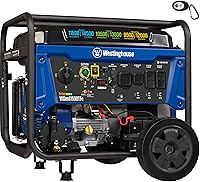
The Westinghouse is the pick for dual fuel home backup with a transfer switch ready outlet and remote start.
It suits buyers who want strong home power without a natural gas hookup.
The Hutch Mountain kit is the pick if you already own a Honda EU2200i.
It adds fuel choice to a generator you already know and already trust.
Tri fuel matters when one fuel runs out during a long outage.
Propane stores well, natural gas can run from a home line, and gasoline is easy to find in many places.
Each fuel also suits a different routine at home, at camp and at work.
Gasoline helps when you need fuel quickly from a local station.
Propane helps when you want cleaner storage and easy tank swaps.
Natural gas helps when a fixed home line can keep power running for days.
Our score weighs specs, features and buyer feedback.
We compared output, fuel options, outlets, starting features and portability.
Running watts matter most for steady loads such as a refrigerator and lights.
Peak watts matter for short motor starts from an air conditioner or similar appliance.
Outlet type matters for how safely and neatly you connect to a home or a trailer.
Starting features matter in bad weather, when walking to a cold generator is the last thing you want.
Portability matters because weight and size decide where the unit can live and how easily it can move.
If you are still deciding between fuel types, our portable generator or power bank guide explains when battery power is enough and when a fuel generator makes more sense.
A power bank can be fine for phones and small devices.
A fuel generator makes more sense when you need hours of power for larger appliances.
Use this guide to match the job first, then the fuel you can store or connect.
Our picks at a glance
-
1
 Best for Honda EU2200i owners
Hutch Mountain Generator Dual-Fuel Conversion Kit for Honda
9.7/10 our score
See it on Amazon -
2
 Best for dual fuel home backup
Westinghouse 12500 Watt Dual Fuel Home Backup
9.7/10 our score
See it on Amazon -
3

- 4
 Check it
WEN Super Quiet 2350-Watt Portable Inverter Generator
Best for quiet small loads
How to compare tri fuel portable generators by output and connections
The best tri fuel portable generator is the one whose running watts match your essential loads and whose outlets match your cords. Peak watts help with motor starts, but running watts carry the work over time.
We checked the stated running and peak figures for each model before ranking them.
Connections matter as much as power. A transfer switch ready outlet lets you connect to selected home circuits with one cord.
An RV ready outlet helps with a travel trailer or large appliances. Standard household receptacles cover lights, fans, phones and small appliances.
Starting features change daily use. Push button start and remote start help when the generator sits outside in bad weather.
Electric start with a charged battery is easier than recoil start for many buyers. A fuel gauge and hour meter help you plan refills and maintenance.
Output, starting features and fuel choice
Look at starting features next, because a generator you dread starting will not get used. Remote start is useful for home backup, while a simple recoil start may be fine for camping.
Check what is included, such as a remote control, propane regulator, natural gas hose or battery charger.
Fuel choice also changes placement. Natural gas needs a fixed hookup and a hose long enough to reach the generator.
Propane needs a tank and regulator. Gasoline needs safe storage and refills.
Read our portable generator diesel guide if you are comparing diesel for longer run times in remote work.
The best tri fuel portable generators for home backup and portable power
Hutch Mountain and Westinghouse lead on score, while DuroMax is the true tri fuel pick in this group. WEN covers small, quiet loads but runs on gasoline only.
Choose by the job first, then by fuel preference.
Hutch Mountain Generator Dual-Fuel Conversion Kit for Honda: Best for Honda EU2200i owners
- Gasoline, propane and natural gas compatibility
- Basic-tool installation
- Photo-based instruction manual
- Dual-fuel conversion kit, manual and fuel adapters included
A conversion kit that adds propane and natural gas choices to an existing Honda EU2200i. It suits owners who already like their generator and want fuel flexibility without buying a new unit.
Pros
- Adds tri-fuel capability to an existing Honda EU2200i
- Basic-tool installation with photo guide
- Includes manual and fuel adapters
Cons
- Only fits the specified Honda model
- Requires verifying the exact inverter model before purchase
This Hutch Mountain kit suits Honda EU2200i owners who want cleaner, more convenient propane power.
It converts an existing generator instead of replacing it, which helps if your Honda already starts well.
That matters for owners who like the size, sound and starting habit of their current setup.
The kit supports gasoline, propane and natural gas compatibility.
That gives you a choice when gasoline is hard to get or when you want to avoid stale fuel in a carburetor.
Propane storage can also make seasonal use simpler, because a sealed tank keeps well between trips.
Most owners complete setup in under an hour with basic tools.
The work is aimed at an owner who can follow clear steps and check each connection before the first start.
It includes a dual-fuel conversion kit, manual and fuel adapters.
A photo-rich manual and support help reduce guesswork.
Photos help you match each part to its place on the generator instead of relying on words alone.
Verify your exact inverter model before you buy, because fit is specific to the Honda EU2200i.
A close check up front saves time and avoids a part that will not suit your machine.
This is a conversion kit, not a full generator, and it works with one Honda model.
If you need 13,000 watts for a whole house, a full tri fuel generator such as the DuroMax is a better match.
Westinghouse 12500 Watt Dual Fuel Home Backup: Best for dual fuel home backup
- 9500 running watts and 12500 peak watts on gasoline
- 8500 running watts and 11200 peak watts on propane
- Remote start with included key fob
- Up to 12 hours of run time on a 6.6 gallon tank
A large dual fuel generator built for home backup, with a transfer switch ready outlet and a 50A RV ready outlet. It is a strong pick when natural gas hookup is not a priority.
Pros
- Transfer switch ready L14-30R 30A outlet
- RV ready 120/240V 14-50R 50A outlet
- Remote, electric and recoil start
Cons
- Dual fuel only, not tri fuel
- Large 27.2 x 26.1 x 26.5 in footprint
This Westinghouse suits home backup first and job site power second. It produces 9500 running watts and 12500 peak watts on gasoline, and 8500 running watts and 11200 peak watts on propane.
Those figures support major appliances such as an air conditioner, refrigerator and sump pump.
It has two GFCI 120V 5-20R 20A household receptacles, one transfer switch ready 120V L14-30R 30A outlet and one RV ready 120/240V 14-50R 50A outlet. All outlets have rubber covers for added safety.
Starting is flexible with remote start, electric start and recoil start, and a remote start key fob is included. The 457cc 4-stroke OHV engine has a cast iron sleeve, automatic low oil shutdown and a digital hour meter.
Run time reaches up to 12 hours on a 6.6 gallon tank. The trade-off is that it is dual fuel, not tri fuel, so there is no natural gas option.
Its 27.2 x 26.1 x 26.5 in size also needs clear storage space. Our best portable generator with wheels guide helps if mobility is a top concern.
DuroMax XP13000HXT: Best true tri fuel pick
- 13000 watts
- Runs on gasoline, propane or natural gas
- 500cc OHV engine
- Push button start and remote start
The only true tri fuel generator in this group, with 13,000 watts and a transfer switch ready 50 amp outlet. It suits whole home backup where a natural gas line is available.
Pros
- True tri fuel: gasoline, propane and natural gas
- 13,000 watts for whole home loads
- CO Alert for fume safety
Cons
- 240 pounds, so moving it needs planning
- Natural gas use requires a suitable hookup and hose
This DuroMax suits buyers who want true fuel choice for whole home backup. It runs on gasoline, propane or natural gas, and that third option defines a tri fuel portable generator.
It delivers 13,000 watts from a 500cc OHV engine. That output can keep a whole home running during a storm or outage when you manage loads.
CO Alert adds a safety feature that watches for harmful fumes.
It has push button start and remote start, so you can start from a distance. A front facing interface lets you change fuel type in seconds.
A transfer switch ready 50 amp outlet supports home backup connections.
The kit includes a wheel and handle kit, a 15-foot x 3/4-inch natural gas hose, a propane regulator, a remote control and an owner's manual. The trade-off is size and weight at 30 x 30 x 26 inches and 240 pounds, so plan your path and storage before delivery.
WEN Super Quiet 2350-Watt Portable Inverter Generator: Best for quiet small loads
- 2350 surge watts and 1900 rated watts
- 39 pounds
- Two 120V receptacles, one 12V DC receptacle and two USB ports
- Fuel shut off
A light, quiet gasoline inverter generator for phones, laptops and small backup loads. It is not tri fuel, but it shows what a small portable pick can do for camping and light home use.
Pros
- Very light at 39 pounds
- Clean power for sensitive electronics
- USB ports for phones and tablets
Cons
- Gasoline only
- 1900 rated watts limits larger appliances
This WEN suits camping, tailgating and light backup where quiet matters more than high output. It produces 2350 surge watts and 1900 rated watts of clean power, enough for phones, tablets, televisions and computers.
At 39 pounds, it is far easier to carry and store than the large home backup models here. It has two three-prong 120V receptacles, one 12V DC receptacle and two 5V USB ports.
Fuel shut off helps the generator use up remaining fuel in the carburetor before shutdown. That helps fight build-up from stagnant fuel.
The maker says operation is comparable to a normal conversation.
It runs on gasoline only, so it is not a tri fuel portable generator. Its 1900 rated watts will not run a whole house.
If your needs are small, our best small portable generator and best quiet portable generator guides cover similar use cases.
How we compared these tri fuel and dual fuel picks
We compared the four products by stated output, fuel options, outlets, starting features and included parts.
That focus keeps the ranking tied to real buying decisions.
We did not add specs that were not in the product data.
Each claim in this guide comes from the listed features and specs for that model.
That rule matters when models use close totals for running and peak watts.
Running watts show what a generator can carry steadily during an outage.
Peak watts show the short burst available when a motor starts.
We checked running watts against peak watts for home backup sizing.
A large peak number alone does not prove a unit can carry a full house all evening.
We checked whether each model has a transfer switch ready outlet or an RV ready outlet.
A transfer switch ready outlet supports a cleaner link to selected home circuits.
An RV ready outlet supports a travel trailer or a large 240V load.
We checked starting options, including remote start, electric start and recoil start.
Remote start helps when the generator must sit outside in rain or cold.
Electric start helps for daily ease, while recoil start remains a simple backup.
We also checked portability in practical terms.
Weight and dimensions affect storage, lifting and moving through a doorway.
A wheel and handle kit helps, but a 240 pound unit still needs planning.
That planning includes a clear path, a firm surface and help for lifting.
Small units suit camping and light backup because they are easy to carry and store.
Large units suit whole home backup because they carry more load for longer periods.
Included parts also shaped our view of daily use.
A propane hose, regulator, charger, funnel or manual can save a separate trip.
Missing parts can also add cost and delay before the first use.
Our score weighs specs, features and buyer feedback.
That is why the Hutch Mountain kit and Westinghouse both score 9.7, even though they solve different problems.
One converts an existing Honda, and the other is a full home backup generator.
The DuroMax stands out as the true tri fuel pick for natural gas users.
The WEN stands out for light, quiet use with small loads.
We ranked each pick by how well its stated strengths match a clear job.
What size tri fuel portable generator do you need for home backup?
Start with your essential loads, not the largest headline number. Add running watts for a refrigerator, lights, fans, sump pump, phone chargers and other must-have items.
Then check peak watts for motor starts from appliances such as an air conditioner or well pump.
For whole home backup, look for a transfer switch ready outlet. That lets you feed selected circuits through a transfer switch instead of looping extension cords through a window.
Westinghouse provides a transfer switch ready L14-30R 30A outlet, and DuroMax provides a transfer switch ready 50 amp outlet.
If you plan to run a travel trailer, check for an RV ready outlet. Westinghouse includes a 120/240V 14-50R 50A outlet for that use.
Match the outlet to the cord you already own or plan to buy.
Running watts, peak watts and load math
Running watts are what the generator can carry continuously. Peak watts are a short burst for starting motors.
A model with 13,000 watts peak can still fall short if its running watts do not cover your steady loads.
List each appliance and add its running watts. Add a margin for motor starts and future needs.
Our best portable generators for home backup guide walks through that process with more examples.
Transfer switch ready and RV ready outlets
A transfer switch ready outlet is the connection that matters most for home backup. It supports a single cord hookup to selected circuits.
That is safer and cleaner than running several cords to separate appliances.
An RV ready outlet matters for travel trailers and large 240V loads. Check voltage and amperage before you buy a cord.
Our best portable generator for RV guide helps you match outlet type to trailer needs.
Which fuel is best for a tri fuel portable generator?
Gasoline is the easiest fuel to find in many areas.
It suits a quick refill from a local station when an outage starts without warning.
Propane stores well and can reduce stale fuel issues.
A sealed propane tank also keeps well between seasons, which helps for backup use.
Natural gas can keep a generator running from a home line during a long outage.
That link can remove the need to haul fuel cans in bad weather.
For many buyers, propane is the sweet spot between storage and convenience.
It suits camping, tailgating and home backup when you keep a spare tank.
Gasoline still helps when you need fuel fast from a local station.
It also helps when a propane tank runs empty and no spare is on hand.
Natural gas is the reason to choose tri fuel over dual fuel.
It requires a proper hookup, a regulator and a hose that reaches the generator safely.
Placement matters here, because the hose must reach without strain or damage.
If you do not have that hookup, dual fuel may be the simpler choice.
A dual fuel unit still gives you gasoline for speed and propane for storage.
You can then add a spare propane tank instead of planning a gas line install.
Fuel choice also affects care between uses.
Gasoline needs fresh storage and attention to stale fuel in the carburetor.
Propane needs tank checks and safe upright storage away from heat.
Natural gas needs a sound connection and a hose kept clear of wear.
The best fuel is the one you can store, reach and use without delay.
Match that fuel to your home layout before you choose a model.
Gasoline, propane and natural gas trade-offs
Gasoline gives broad availability and simple refilling. It also needs care with storage and stale fuel.
Propane gives cleaner storage and easy tank swaps, but you must track tank level.
Natural gas gives a connected fuel supply for home use. It depends on the home gas line and a correct connection.
DuroMax includes a 15-foot x 3/4-inch natural gas hose and a propane regulator with the XP13000HXT.
Our best portable propane generators guide covers propane focused models. Our best dual fuel generators portable guide covers gasoline and propane models without natural gas.
What starting features should you look for?
Electric start and remote start make a generator easier to use in bad weather.
You can start from inside or from a distance instead of walking to a cold unit.
That helps during storms and late night outages.
It also helps when the generator sits at the far end of a yard for safety.
Recoil start is a useful backup if a battery runs down.
It adds no electronics and can work when electric start cannot.
That simple backup matters when power is needed and a battery is flat.
Check whether a model offers both, as Westinghouse does with remote, electric and recoil start.
Choice here gives you ease for daily use and a fallback for hard days.
Push button start is another easy option on some home backup models.
It can suit a user who wants a clear, simple start in low light.
Remote start adds range, so you can start before you step outside.
That can help when an outage hits while the house is warm and dark.
A fuel gauge helps you plan refills before the tank runs dry.
You can check level at a glance instead of guessing during a long outage.
An hour meter helps you track maintenance.
It shows how long the engine has run, so oil and filter checks stay on schedule.
A digital display that shows voltage, frequency and lifetime hours gives you more detail at a glance.
Voltage and frequency help you see how the unit is working under load.
Lifetime hours help you plan care long after the first season.
For home backup, starting ease can decide whether a generator gets used at all.
A unit that starts with a button or a remote is more likely to be ready when needed.
For camping, a simple start may be enough, because the unit often sits close by.
Still, a charged battery and a clear fuel check make any start smoother.
Check what is included in the box before you buy.
A key fob, charger or remote control can affect your first week of use.
Match the start type to the weather, distance and routine you expect.
Remote start, electric start and recoil start
Remote start is best for home backup. DuroMax offers push button start and remote start on the XP13000HXT.
Westinghouse includes a remote start key fob with its home backup model.
Electric start is a step up from recoil start for daily ease. It needs a charged battery, so check what is included.
Westinghouse includes a 12V battery charger in the box.
Recoil start remains a solid fallback. It can save you when a battery is flat.
Our best electric start portable generator guide covers models built around that feature.
How should you set up and care for a tri fuel generator?
Set up the generator outdoors with exhaust moving away from doors and windows. Keep it on level ground with room for airflow around the engine.
Connect fuel, check oil and confirm the outlet cords match before you start.
Use the right fuel for the season and your storage plan. Keep gasoline fresh and store propane tanks upright in a safe place.
If you use natural gas, follow the hookup instructions and keep the hose clear of damage.
Run the generator under load soon after starting, rather than letting it idle for long periods. Check oil level before each use and track hours with the meter or display.
Store cords, regulators and hoses where you can find them fast.
Safe placement, fuel storage and maintenance basics
Place the generator where exhaust cannot enter a home, garage or camper. CO Alert on the DuroMax XP13000HXT adds a warning feature, but placement still matters.
Never run a generator in an enclosed space.
Store fuel away from living areas and heat sources. Keep a spare propane tank or fresh gasoline if an outage is likely.
Our best portable generator covers guide helps protect the unit when it is not in use.
Follow the manual for oil changes and air filter checks. Use the hour meter to plan service.
Our best generator extension cord guide helps you choose cords that match your outlet and load.
Explore portable generators by topic
Which tri fuel portable generator should you buy?
Pick the DuroMax XP13000HXT if you want a true tri fuel generator with 13,000 watts and natural gas capability.
It suits whole home backup where a home gas line is already in place.
Pick the Westinghouse if dual fuel home backup with remote start and a transfer switch ready outlet fits your needs better.
It suits buyers who want gasoline and propane without a natural gas install.
Pick the Hutch Mountain kit if you already own a Honda EU2200i.
It suits owners who want fuel choice without replacing a generator that already works.
For small, quiet loads, the WEN is the light pick in this group.
It is gasoline only and limited to 1900 rated watts, but it suits phones, laptops, camping lights and other small devices.
Start your choice with running watts, not the largest peak number on the page.
Add the steady loads you must keep on during an outage.
Then check peak watts for motor starts from larger appliances.
Next, confirm the outlet you need for your cords and your home circuits.
A transfer switch ready outlet is key for home backup through a transfer switch.
An RV ready outlet is key for a travel trailer or large 240V loads.
Then think about fuel you can actually store or connect at home.
Propane is a strong pick if you can keep a spare tank.
Natural gas is a strong pick if a safe hookup already reaches the setup area.
Gasoline is a strong pick if fast refills from a station matter most.
Also check storage space before you choose a large home backup model.
Weight and size affect lifting, doorways and where the unit can live.
Compare our best portable generator generac guide and westinghouse portable generator reviews.
For gasoline shopping, see gas powered portable generator reviews and best portable inverter generator.
For camping, see best portable generators for camping and What Is a Portable UPS? The Complete Guide.
Those guides help when your needs lean toward a brand, a fuel type or quiet travel use.
The best pick matches your loads, fuel access and storage space.
Start with running watts, confirm your outlets, then choose the fuel setup you will actually use.
Frequently asked questions
What is a tri fuel portable generator?
A tri fuel portable generator runs on three fuels: gasoline, propane and natural gas. You choose one fuel at a time based on what you have stored or connected.
That choice affects run time, fuel cost and convenience during an outage.
Is a tri fuel generator better than a dual fuel generator?
A tri fuel generator adds natural gas as a third option, which can help if you have a home gas line. A dual fuel generator covers gasoline and propane, which suits most buyers.
The right choice depends on whether a natural gas hookup matters for your home or job site.
Can a tri fuel generator power a whole house?
Some tri fuel models, like the DuroMax XP13000HXT at 13,000 watts, are sized for whole home backup. You still need to add up running watts for essential appliances.
A transfer switch helps you feed selected circuits safely instead of using extension cords everywhere.
What outlets should a tri fuel generator have?
Look for household receptacles for small loads and a transfer switch ready outlet for home backup. An RV ready 50 amp outlet helps with larger appliances or a travel trailer.
Check that the outlet type matches the cord or transfer switch you plan to use.