Power Bank vs Solar Charger: Which Do You Need? (November 2026)
Pick a regular power bank for fast, reliable charging and a solar charger when sun is your backup source. This power bank vs solar charger guide compares stored battery power with solar generation so you can match the source to how and where you charge.
On this page (12 sections)
- Power bank vs solar charger: the quick verdict
- The two side by side in daily use
- Stored battery power: speed you can count on
- Solar generation: slow power that keeps coming
- Port size and weight decide what you carry
- Ports and cables: matching your devices
- Phone and tablet charging in real life
- Vehicle batteries are a separate job
- Camping, travel and outage use
- Which should you buy for your routine?
- Care, charging habits and safety
- Final verdict on power bank vs solar charger
Choose a regular power bank when you need sure power now, and choose solar when you will be in sun for hours. In this power bank vs solar charger comparison, stored battery power charges fast and on demand, while solar generation adds energy slowly over time.
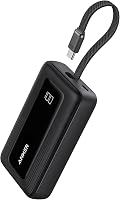
The Anker Zolo stores 20,000mAh and outputs 30W. The BLAVOR stores 10,000mAh and adds solar at a maximum of 1.15W.
That speed gap decides most uses.
A solar charger is not automatically better. Its value grows when you camp, hike or lose power far from an outlet.
Its value drops when you need a quick phone charge before a flight.
We compared specs, weights, ports and maker claims for each pick. Our score weighs specs, features and buyer feedback against what you are shopping for.


Power bank vs solar charger: the quick verdict
Buy stored power for speed, and buy solar for independence from outlets. A power bank carries energy you put in earlier.
A solar charger makes energy during the day, often at a low rate.
The BLAVOR and SOARAISE are hybrids. They have a battery inside, so they work like power banks at night.
Their panels top up that battery when sun hits them.
The Anker Zolo has no panel. It charges from a wall or car source and then gives that power to your phone.
That makes it simple and fast.
The POWOXI is different. It is a 7.5W 12V trickle maintainer for vehicle batteries.
It does not charge phones. Think of it as solar care for car, boat or motorcycle batteries.
Our power bank battery guide explains capacity and charging basics. Read it first if terms like mAh, watts and USB-C feel new.
The two side by side in daily use
Hybrid units give you 2 ways to charge, while pure stored power gives you 1 fast way. The table below shows the practical split.
| Choice | Best use | Stored power | Solar input | Weight |
|---|---|---|---|---|
| BLAVOR Solar Power Bank | Light outdoor backup | 10,000mAh | 1.15W max | 9.3 ounces |
| Anker Zolo Power Bank | Fast daily charging | 20,000mAh | None | 12.45 ounces |
| SOARAISE Solar Power Bank | Groups and long trips | 48,000mAh | 4 panels | Larger pack |
| POWOXI Trickle Charger | 12V vehicle batteries | None for phones | 7.5W | 2.2 pounds |
The BLAVOR measures 5.9 x 3.1 x 0.8 inches. It fits a jacket pocket or small day bag.
The Anker measures 4.72 x 2.89 x 1.23 inches and feels denser in hand.
The SOARAISE measures 6.38 x 3.43 x 1.57 inches. It is a pack charger, not a pocket charger.
Its 4 built-in cables and wireless pad explain the size.
The POWOXI panel is a separate 7.5W unit. You place it in sun and connect it to a 12V battery.
It never tries to charge a phone.
| Product | Best for | Capacity | Weight | Size | Our score |
|---|---|---|---|---|---|
| BLAVOR Solar Power Bank | light pocket backup | 10,000mAh | 9.3 ounces | 5.9 x 3.1 x 0.8 inches | 9.7 |
| Anker Zolo Power Bank | fast stored power | 20,000mAh | 12.45 ounces | 4.72 x 2.89 x 1.23 inches | 9.7 |
| SOARAISE Solar Power Bank 48000mAh Wireless Portable | group outdoor charging | 48,000mAh | 6.38 x 3.43 x 1.57 inches | 9.6 | |
| POWOXI 7.5W 12V Solar Battery Charger Trickle | vehicle battery care | 2.2 pounds | 9.5 |
Stored battery power: speed you can count on
Stored power wins when time matters more than sun. The Anker Zolo charges an iPhone 15 from 0 to 57% in 30 minutes with 30W output.
That is the kind of speed a small solar panel cannot match.
Anker says the 20,000mAh bank charges an iPhone 15 up to 4 times. It also recharges at 20W input, so a full refill takes about 5 hours with a suitable fast charger.
Charging losses matter. Anker notes that a 20,000mAh bank may deliver about 11,000mAh to 14,000mAh after losses in cells and circuits.
That still supports several phone charges.
The BLAVOR stores 10,000mAh. BLAVOR says it can charge an iPhone 14 Pro 2.2 times and an iPad Air once.
Treat those as maker figures for typical use, not promises for every device.
If you charge a tablet or laptop often, stored capacity matters more. Our best power bank for iPad guide helps you match capacity to larger screens.
Solar generation: slow power that keeps coming
Solar generation wins when you have daylight and no outlet for a long stretch. Its strength is endurance, not speed.
Panels keep adding small amounts of energy while you hike, camp or work outside.
The BLAVOR panel has a maximum current of 0.23A and maximum power of 1.15W. BLAVOR says solar charging may be slow and recommends cable charging first, with solar as backup for outdoor emergencies.
That honesty helps you set expectations. A 1.15W panel will not refill a 10,000mAh bank quickly.
It can add charge during a day outdoors and help a phone topped up by cable last longer.
The SOARAISE uses 4 solar panels and says they charge up to 5 times faster than a standard single-panel charger. Even with that claim, solar input remains weather dependent.
Clouds, shade, panel angle and season all change output. A panel flat in winter sun gives less than the same panel angled to summer sun.
For wider solar learning, our What Is a Solar UPS guide explains how solar fits backup power systems. It covers larger home systems, not just handheld chargers.
Port size and weight decide what you carry
The best charger is the one you will actually pack. A heavy bank left at home helps no one.
A tiny bank that dies by lunch also fails.
The BLAVOR weighs 9.3 ounces and is the lightest phone option here. Its dual flashlights and compass carabiner add outdoor value without adding much bulk.
The Anker weighs 12.45 ounces. You feel the extra 3 ounces in a small bag, but you get double the stored capacity of the BLAVOR.
The SOARAISE is built for capacity and device count. It supports up to 7 devices at once with 4 built-in cables, 3 ports and wireless charging.
That makes sense for a family tent, not a solo phone carry.
The POWOXI weighs 2.2 pounds and lives with your vehicle. Weight matters less here because the panel stays in sun while the battery stays in the vehicle.
If you pack light for camping, our best power bank for camping guide can help you balance weight against capacity.
Ports and cables: matching your devices
Ports decide how many devices you can charge without hunting for cables. USB-C is now the key port for most phones, but older devices may still need other cables.
The BLAVOR supports 3 devices at once with USB-C, USB-A and wireless charging. It also has built-in cables.
That mix suits a phone plus earbuds or a second phone.
The Anker has a 5.98-inch built-in USB-C cable rated for over 10,000 bends. It keeps one cable with you at all times.
Anker says it has 2 ports total, so check your device mix before you buy.
The SOARAISE includes 4 built-in cables: USB-C, Phone, USB-A and Micro. It also has 2 USB-A outputs and 1 USB-C input/output.
That range covers older and newer devices in one pack.
The POWOXI uses a cigarette lighter plug or alligator clips. Those connectors suit 12V batteries.
They do not suit phones.
If you need AC power from a bank, see our best power bank with wall plug guide. A wall plug helps laptops and some chargers, but it adds size.
Phone and tablet charging in real life
Phones favor speed and portability, while tablets favor larger stored capacity. Phone batteries are smaller, so even a 10,000mAh bank can help for a day or more.
The BLAVOR offers 10W wireless charging. Wireless is handy when you do not want to plug in a cable.
It is slower than wired fast charging, so use USB-C when time is tight.
BLAVOR says its USB-C output can charge an iPhone 15 to 65% in 30 minutes. That claim pairs best with the right USB-C cable and a compatible phone.
The Anker Zolo outputs 30W and has a low-current mode for earphones. Double tap the power button to enter that mode.
That detail helps small devices that charge at low current.
The SOARAISE offers 5V/3A USB-C fast charging. SOARAISE says it can boost an iPhone from 15% to 60% in 30 minutes.
Use that as a maker claim and expect results to vary by phone.
Tablet users should plan for fewer charges. A 10,000mAh bank may give a tablet about one charge, while 20,000mAh or 48,000mAh gives more headroom.
Vehicle batteries are a separate job
A 12V trickle maintainer solves a problem a phone bank cannot solve. Car batteries need steady maintenance power, not a short burst for a phone.
The POWOXI panel provides 7.5W at 12 volts. Its smart controller helps prevent overcharge and short circuits.
POWOXI lists car, boat, motorcycle, tractor and ATV use.
You can connect it through the cigarette lighter socket or directly with alligator clips. A red and green LED shows sunlight and charging status.
POWOXI is clear that this is a maintenance charger, not a fast charger. It helps offset drain from alarms and electronics.
It will not quickly revive a deeply dead battery.
That limit is important. A phone power bank cannot maintain a 12V car battery.
A trickle panel cannot charge a phone. Choose by the battery you need to care for.
Keep terminals apart during setup and follow safe connection steps. Burns and short circuits can happen with vehicle batteries, so work carefully and follow the manual.
Camping, travel and outage use
Hybrids shine for camping because they store power and can top up in sun. A pure bank is great at home and in hotels.
A hybrid adds value when outlets are far away.
The BLAVOR is IPX5 waterproof, dustproof and shockproof. The case uses flame-retardant ABS and PC.
Those details suit rain, dust and rough handling on a trail.
Its compass carabiner and flashlights make it more than a charger. You can clip it to a pack and use it as a small light source at camp.
The SOARAISE lists waterproof, shockproof and dustproof features plus LED camping flashlights. Its 4 panels can add charge during daylight hours on long trips.
The Anker suits travel where you can recharge at a hotel or airport. Its 18-month warranty and ActiveShield 2.0 temperature monitoring add confidence for daily use.
For solar-first shopping, our best solar power banks guide compares more hybrid options. It helps if you want panels as a core feature, not a backup.
Which should you buy for your routine?
Match the charger to your most common day, not your most dramatic day. Most people charge at home, at work or in a car.
Solar matters most on the days you leave those places.
Choose the Anker Zolo if you want fast phone charging and a built-in USB-C cable. Its 20,000mAh capacity and 30W output suit commuters, students and frequent flyers.
Choose the BLAVOR if you want a light hybrid for hikes and emergencies. Its 9.3-ounce size, wireless charging and flashlights make it easy to keep in a day bag.
Choose the SOARAISE if you charge a group or carry many devices. Its 48,000mAh battery, 4 cables and wireless pad suit family camping and long outdoor trips.
Choose the POWOXI if your dead battery is in a car, boat or motorcycle. Its 7.5W panel maintains 12V batteries in sun.
It does not charge phones.
Our best solar 20000mAh power banks guide helps if you want solar with more stored power. Our best solar 30000mAh guide helps if you want still more capacity for shared use.
Care, charging habits and safety
Charge hybrids by cable first, then let solar do the backup work. BLAVOR recommends that approach because its panel tops out at 1.15W.
Cable charging refills the bank much faster.
Keep panels clean and pointed toward the sun. Dirt, shade and a flat angle all cut output.
Wipe the panel with a soft cloth and check it before a trip.
Avoid charging your phone while you charge the bank if you want best battery life. Anker notes that pass-through charging is supported, but avoiding it can help longevity.
Store banks at a moderate charge when you do not use them for a while. Extreme heat, cold and long storage at full or empty charge can hurt battery health over time.
Check cables and ports for damage before you travel. A bent built-in cable or loose USB-C port can turn a reliable bank into dead weight.
Water resistance is not a license to soak a charger. The BLAVOR is IPX5, which helps with splashes and rain.
Dry it well before you plug in a device.
Final verdict on power bank vs solar charger
Pick stored power for speed and solar for time away from outlets. The general power bank vs solar charger answer is simple: your routine decides.
Pick the Anker Zolo for fast, cable-ready phone power at home and on the road. Pick the BLAVOR for a light solar hybrid you will actually carry.
Pick the SOARAISE for group charging on long outdoor trips. Pick the POWOXI for 12V vehicle battery care.
If you want solar as the main idea, start with our best solar power banks picks. If you want pure stored power, start with a 20,000mAh class bank and match ports to your devices.
Frequently asked questions
Is a solar charger faster than a power bank?
No, a stored power bank is usually faster because the energy is already inside. Solar input depends on sunlight, panel size and angle.
The BLAVOR solar panel peaks at 1.15W, while the Anker Zolo delivers 30W from stored charge.
Can a solar power bank replace a wall outlet?
It can help outdoors, but it is not a full replacement for wall charging. The BLAVOR maker recommends cable charging first and solar as backup.
For a dead car battery, a 12V trickle maintainer suits the vehicle, while a phone bank suits handheld devices.
How many phone charges do you get from 20,000mAh?
Anker says the 20,000mAh Zolo charges an iPhone 15 up to 4 times. Actual counts vary with cable losses, phone size and charging speed.
Use the maker figure as a guide, then expect fewer charges with tablets or fast charging.
Which is better for camping, a power bank or a solar charger?
A hybrid solar power bank often fits camping best because it stores power and can top up in sun. The BLAVOR adds flashlights and a compass at 9.3 ounces.
The larger SOARAISE suits groups, while the Anker suits campgrounds with outlets.