What Is the Purpose of a UPS Battery Backup? The Real Answer
A UPS, which stands for uninterruptible power supply, is a battery backup device that keeps your electronic equipment running during a power outage. Its main purpose is to give you a few minutes of emergency power so you can save your work and shut down properly.
Beyond just emergency power, a UPS also acts as a surge protector. It filters out dangerous electrical spikes and brownouts that can damage your computer, router, or other sensitive electronics over time. We found that this dual protection is why many people consider it essential.
- A UPS provides temporary battery power during a blackout or brownout.
- It safeguards your equipment from damaging power surges and spikes.
- It gives you precious time to save files and shut down devices safely.
- It helps prevent data loss and hardware damage from sudden power loss.
- Common uses include protecting computers, internet routers, and home offices.
Below, we break down everything you need to know about what a UPS does, how it works, and who really needs one.
How a UPS Battery Backup Really Works
You plug your devices into the UPS, and it sits between them and the wall outlet. It does two main jobs at once. First, it constantly monitors the electricity coming in. If the power dips, surges, or cuts out completely, it instantly switches to battery power. Second, it cleans the power, filtering out dangerous spikes that can fry your electronics.
Think of it like a guard at a gate. It lets good, clean power through. It blocks the bad stuff, like a sudden surge from a lightning strike. And if the lights go out, it turns on its own generator—its battery—so the gate stays open.
The Dual Role: Protection and Backup Power
A UPS isn’t just one thing. It’s actually a power conditioning system and a battery backup in a single box. We found that many people only think about the battery. But the surge protection is equally important for long-term health.
How It Filters Power
Inside, components like MOVs (Metal Oxide Varistors) act like electrical sponges. They absorb sudden spikes of electricity, preventing them from reaching your computer or router. This happens in milliseconds, without you even noticing. Research shows that consistent power filtering can extend the life of sensitive electronics.
How It Provides Backup Power
The battery is usually a rechargeable lead-acid or lithium-ion cell. It stays charged while the mains power is on. The moment power fails, an inverter kicks in. It converts the battery’s DC power into the AC power your devices use. This happens so fast that your computer doesn’t even reboot.
Why You Need a UPS: More Than Just Power Outages
So, what’s the real purpose? It’s about keeping your world running smoothly. Outages are only part of the story. A UPS protects you from several common power problems.
- Blackouts: Total loss of power. A UPS gives you time to save work and shut down.
- Brownouts: The lights dim but don’t go out. This low-voltage state can damage motors and power supplies over time.
- Power Surges: A sudden, huge spike in voltage. Often caused by lightning or turning on heavy appliances.
- Power Sags: A very brief drop in voltage, lasting just a fraction of a second. Can cause computers to crash.
You might think power issues are rare. But in many areas, minor fluctuations happen daily. They’re invisible, but they add up.
Protecting Your Data and Hardware
The biggest risk from a power loss is sudden shutdown. If you’re in the middle of saving a file or updating software, a crash can corrupt data. A UPS buys you a few minutes. That’s often enough to save everything and power down properly.
Preventing Hardware Damage
Your computer’s power supply and hard drive are sensitive. A surge can damage them instantly. Even small brownouts force components to work harder, generating heat and wear. Many experts say this cumulative stress is a leading cause of premature hardware failure (Consumer Reports).
Avoiding Data Loss
For home offices, losing unsaved work means hours of frustration. For small businesses, it could mean lost customer data or financial records. A UPS is a simple insurance policy against that risk.
Who Really Needs a UPS? It’s Not Just for Businesses
For a long time, UPS devices were seen as a business tool. But we found that homeowners have plenty of reasons to own one. If you have a desktop computer, a gaming console, or a home network, a UPS is worth considering.
Everyday Home Uses
Consider your internet router. If the power blips, it can take a few minutes to restart. That means losing your Wi-Fi connection right when you need it most. A UPS keeps it running through short outages.
Working From Home
With remote work now common, a home office setup is essential. A UPS protects your laptop, monitor, and internet connection. It prevents lost work and embarrassing dropped calls.
Protecting Entertainment Systems
Game consoles, smart TVs, and streaming devices can be damaged by surges. A UPS can also keep them on during a brief outage, so you don’t lose your progress in a game or the scene in a movie.
Small Businesses and Critical Equipment
For small businesses, a UPS is more critical. It protects point-of-sale systems, security cameras, and servers. Even a 5-minute outage can disrupt sales or security.
Home Servers and NAS Devices
If you store important files on a network-attached storage (NAS) device, a sudden power loss can corrupt the entire drive. A UPS gives you time to shut it down safely, preserving your data.
Choosing the Right UPS for Your Needs
Not all UPS devices are the same. The right one depends on what you’re protecting and for how long. The two main types are online and standby (or line-interactive).
| UPS Type | How It Works | Best For |
|---|---|---|
| Standby (Offline) | Power goes through a filter. Battery only kicks in when main power fails. | Basic home use, like a single PC or router. |
| Line-Interactive | Has a transformer to handle brownouts and sills without switching to battery. More efficient. | Home offices, gaming setups, small servers. |
| Online (Double-Conversion) | Constantly converts power. Battery is always in use, providing perfect power no matter what. | Critical servers, medical equipment, data centers. |
For most home users, a line-interactive UPS is the best balance of cost and protection. It handles brownouts without draining the battery.
Understanding UPS Capacity
Capacity is measured in VA (Volt-Amps) and watts. A simple rule: your device’s wattage should be less than 75% of the UPS’s watt rating. This leaves headroom for the system to operate properly.
How Long Will the Battery Last?
Run time depends on the load. A UPS might give a single PC 10-20 minutes. But running a monitor and router too might drop it to 5 minutes. For critical shutdown, even 3 minutes is enough.
Calculating Your Power Needs
Check the wattage of the devices you want to protect. Add them up. Then look for a UPS with a watt rating that exceeds your total by about 25-30%. This ensures it can handle the load and run for a useful time.
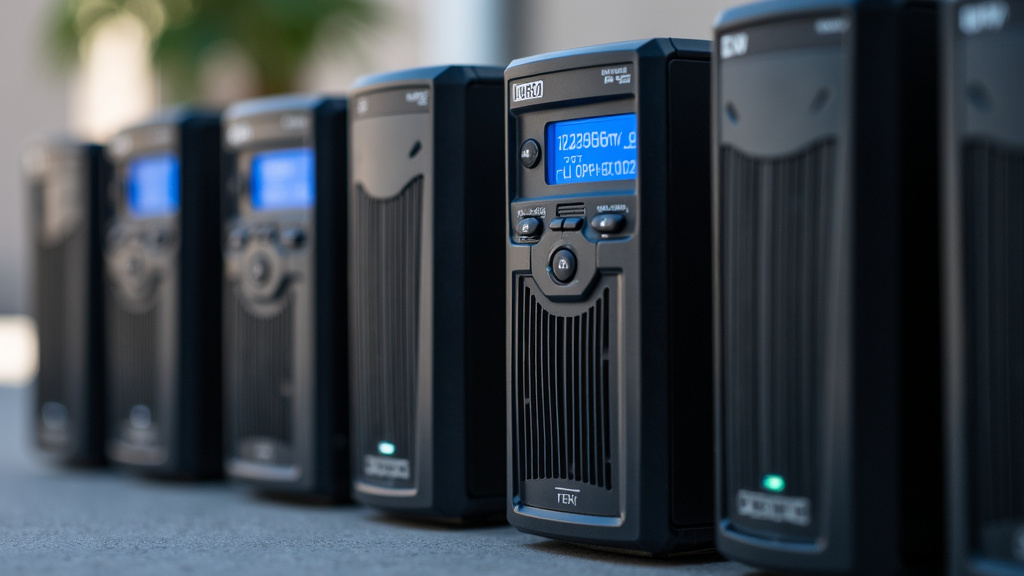
Setting Up Your UPS: Simple Steps
Getting a UPS working is straightforward. Most are plug-and-play. You plug the UPS into the wall, then plug your devices into the UPS.
Key Setup Tips
- Plug it directly into the wall outlet, not into a power strip or another surge protector.
- Connect the UPS to your computer via USB. This lets the UPS software auto-shut down your PC when the battery is low.
- Place it in a cool, dry spot. Heat reduces battery life.
- Test it monthly. Unplug the UPS from the wall to see if it switches to battery correctly.
We found that many users skip the software setup. Don’t. It’s what gives you the automatic, safe shutdown.
Maintaining Your UPS for Long Life
A UPS is not set-and-forget. Its battery will degrade over time, usually in 3-5 years. Proper care can extend its life.
Essential Maintenance Checklist
- Keep it plugged in and on. The battery should always be charging.
- Test the battery monthly. Run it on battery power for a minute or two.
- Replace the battery when runtime drops. If it only lasts a few seconds, it’s time for a new battery.
- Keep it clean and ventilated. Dust can cause overheating.
- Replace the entire UPS every 5 years. Even with new batteries, other components wear out.
Think of it like a car battery. You don’t wait for it to die on the side of the road. You replace it before it fails.
The Bottom Line: Peace of Mind
The real purpose of a UPS battery backup is to give you peace of mind. It’s a small investment that protects your expensive electronics, your valuable data, and your time. It turns a sudden power loss from a disaster into a minor inconvenience.
Whether you’re working on a big project, managing a home server, or just want your Wi-Fi to stay on, a UPS is a smart, practical tool. It’s not about being paranoid. It’s about being prepared.
Conclusion
A UPS battery backup does two essential jobs: it delivers emergency power during outages and shields your electronics from surges and brownouts. We found this dual protection prevents data loss, saves your work, and extends the life of your devices. It’s a practical tool for home offices, remote setups, and entertainment systems—not just businesses. If you rely on computers, routers, or servers, take a moment to evaluate your current power needs. Choosing the right UPS offers reliable peace of mind and keeps your daily operations running smoothly.
Frequently Asked Questions
How long will a UPS battery keep my devices running during a power outage?
Run time depends on the load. A typical UPS might provide 10-20 minutes for a single computer, but connecting more devices reduces this. Always check the product specifications for estimated run time based on your setup.
Can a UPS protect my electronics from lightning strikes?