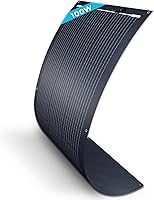
EcoFlow 220W Bifacial Solar Panel Review: Worth It? (November 2026)
The EcoFlow 220W Portable Solar Panel is a strong fit for EcoFlow charging setups if you want bifacial collection, 25% efficiency and a foldable design. Its 15.4 lb weight and 220W maximum output make it better for serious portable charging than small panels.

On this page (9 sections)
- What does the EcoFlow 220W solar panel offer?
- How does bifacial charging affect daily use?
- Is 220W enough for an EcoFlow power station?
- EcoFlow 220W panel compared with the Delta 3 Classic package
- How does the EcoFlow 220W compare with Renogy 200W?
- How should you set up the EcoFlow 220W panel?
- What should you know about weather and care?
- Can you use the EcoFlow 220W panel with any power station?
- EcoFlow 220W solar panel review verdict
The EcoFlow 220W Portable Solar Panel is a capable choice for EcoFlow solar charging setups when you want a foldable bifacial panel with up to 25% conversion efficiency. It offers more maximum power than the Renogy 200W alternative, but it also weighs more and does not provide the Renogy panel's direct USB outputs.
Its main strengths are the 220W maximum power, bifacial design, adjustable angle and IP68 waterproof rating. The main buying question is whether those features matter more to you than lighter carrying weight or direct charging for small devices.
What does the EcoFlow 220W solar panel offer?
The EcoFlow 220W solar panel combines 220W maximum power, N-Type solar cells and a bifacial design in a foldable outdoor panel. It has a 25% efficiency rating, a 30–60° adjustable angle bracket and an integrated solar angle guide.
The panel measures 23.2 x 24.2 x 1.3 in and weighs 15.4 lb. A bag is included, and the panel uses an MC4 connector.
EF ECOFLOW 220W Portable Solar Panel: Best for bifacial EcoFlow charging

- 220W maximum power
- Bifacial design
- 25% efficiency
- IP68 waterproof rating
The best match here for an EcoFlow owner who wants a standalone 220W bifacial panel. Its foldable body, adjustable angle and IP68 rating support outdoor use, while the 15.4 lb weight still matters for carrying.
Pros
- Bifacial design
- 25% conversion efficiency
- 30–60° adjustable angle
- IP68 waterproof rating
Cons
- Heavier than the Renogy 200W panel
- Bifacial gains depend on the light reaching the rear side
The bifacial design means the panel can collect light from both sides. The amount of extra energy depends on the surface beneath it, the available light and the angle, so leave room behind the panel when the setup allows it.
The ETFE coating and IP68 rating make the panel suited to outdoor conditions. You should still pack it dry, keep the connector area clean and follow the care instructions for long-term storage.
Who should choose this EcoFlow panel?
Choose it if you already use an EcoFlow power station and want one foldable panel with a 220W maximum output. It also suits camping, RV trips and other outdoor situations where adjustable positioning and weather protection are useful.
A smaller panel may suit occasional phone charging better. The EcoFlow 220W panel is a more serious carry than a compact emergency panel, so consider how often you will move it and how far you will carry it.
For a lower-output EcoFlow option, compare our EcoFlow 110W portable solar panel review. The 110W model may be easier to carry when your power needs are modest.
How does bifacial charging affect daily use?
Bifacial charging can improve collection when light reaches both the front and rear sides of the panel. It is most useful when the panel has open space around it instead of sitting directly on a dark, enclosed surface.
Set the panel where the rear side can receive reflected or scattered light. A pale, open surface may give the back more available light than grass or a shaded ground position, but the result will change with the weather and the site.
The integrated angle guide and 30–60° bracket help you position the panel toward the sun. Adjust the angle as the sun moves instead of assuming one position will produce the same result all day.
Bifacial does not mean the panel always produces 28% more energy. That figure describes the possible extra collection under suitable conditions, not a guaranteed daily increase.
Is 220W enough for an EcoFlow power station?
A 220W panel can provide useful solar input for an EcoFlow power station, but actual charging speed changes with sunlight, angle, shade and the power station's input limits. Maximum panel output is not the same as a fixed charging rate.
Use an open position with the cable routed safely and the panel facing the strongest available sunlight. Partial shade can reduce output, so check nearby trees, vehicles, roof edges and tent walls before settling on a location.
If you are choosing a panel for the EcoFlow RIVER 3, our guide to the best solar panel for EcoFlow RIVER 3 can help you compare output and portability. For the DELTA 2, see the best solar panel for EcoFlow DELTA 2 guide.
What does the EcoFlow panel's voltage mean?
The EcoFlow panel has a 21.5V maximum and output voltage. Voltage is one part of a solar connection, so confirm that the panel and the power station meet the required input limits before connecting them.
The MC4 connector is a common solar connector type. Do not force a connection, and keep connectors clean and dry before use.
A panel's 220W rating also assumes suitable conditions. Cloud cover, heat, shade, dirt and a poor angle can all reduce the energy available to the power station.
EcoFlow 220W panel compared with the Delta 3 Classic package
The EF ECOFLOW Solar Generator Delta 3 Classic is a complete power station and solar panel package, while the standalone EcoFlow 220W panel is only the panel. The right choice depends on whether you already have a compatible EcoFlow power station.
The DELTA 3 Classic has a 1024Wh battery, 1800W output and 3600W surge output. Its data also includes a 10ms UPS feature and a 100W USB-C output.
EcoFlow says the DELTA 3 Classic can reach 0–80% in 45 minutes with X-Stream AC charging. It also states that the solar generator can recharge in 5.8 hours with the included 220W solar panel.
The package includes the DELTA 3 Classic and a 220W Solar Panel. The two items arrive separately, so a buyer may receive one before the other.
The standalone panel is the better fit if you already own the power station and only need more solar input. The Delta 3 Classic package is more suitable when you need both the storage battery and the panel in one purchase.
How does the EcoFlow 220W compare with Renogy 200W?
The Renogy 200W Portable Solar Panel for Power is lighter and offers direct USB charging, while the EcoFlow panel provides 20W more maximum power and a bifacial design. Both panels have 25% efficiency ratings.
Renogy's panel weighs 13.9 lb and folds to 23.72 x 22.99 x 1.97 in. It has four kickstands and supports 40°, 50° and 60° positioning.
The Renogy panel includes USB-C PD 45W and dual USB-A ports for phones, tablets, laptops, GPS devices and cameras. Its MC4 output is included, while the 4-in-1 adapter is sold separately.
Renogy identifies compatibility with the Jackery Explorer 1000 v2, EcoFlow DELTA 3, EcoFlow DELTA 3 Max, EcoFlow RIVER 3 Max and other models that meet the requirements. Check the power station's requirements before connecting any third-party panel.
The EcoFlow panel is the better match when you want bifacial collection and 220W maximum power. Renogy is more appealing when a 1.5 lb lower weight and direct USB charging are higher priorities.
How should you set up the EcoFlow 220W panel?
Set the panel on a stable surface, unfold it fully and aim it toward the strongest available sunlight. Use the adjustable bracket and angle guide to keep the panel pointed as directly at the sun as practical.
Keep the panel clear of branches, bags and nearby equipment. Even a small shadow across part of a panel can affect the usable output.
Leave space behind the panel when you want to make use of the bifacial design. Avoid placing the rear side against a wall, vehicle or thick fabric that blocks available light.
Connect the panel to the power station only after checking the connector and input requirements. Keep cables away from walking paths, wheels and sharp edges.
For a broader explanation of panel types and setup choices, read Portable Solar Panels: The Complete Buying Guide. EcoFlow's own solar panel guide is also useful for general solar setup information.
What should you know about weather and care?
The EcoFlow 220W panel's IP68 rating and ETFE coating support outdoor use, but routine care still matters. Wipe dust and dirt from the surface with a soft method approved for the panel, and keep the connectors clean.
Do not fold the panel while it is wet if you can avoid it. Dry it before storage, place it in the included bag and protect it from sharp objects that could damage the surface.
Use the adjustable bracket carefully and avoid placing excessive weight on the folded sections. Set the panel on a stable surface rather than somewhere it can slide or tip into traffic.
Weather protection is not the same as unlimited exposure. Disconnect and store the panel when conditions become unsafe, and follow EcoFlow's instructions for water, cable connections and storage.
Can you use the EcoFlow 220W panel with any power station?
You should use the panel only with a power station whose solar input range and connector requirements match the panel. MC4 compatibility alone does not confirm that a connection is safe or suitable.
Check the power station's permitted voltage, current and maximum solar input before buying an adapter. The EcoFlow panel has a 21.5V maximum and output voltage, but the complete connection still needs to meet the receiving device's limits.
A third-party panel can be a useful alternative when its electrical requirements match. The Renogy panel supports several named power stations, but compatibility remains dependent on the specific model and requirements.
For step-by-step planning, see How to Use an EcoFlow Solar Panel. It covers the basic connection and positioning decisions that affect a portable setup.
EcoFlow 220W solar panel review verdict
The EcoFlow 220W Portable Solar Panel is the strongest choice here for bifacial EcoFlow charging. Pick it when 220W maximum power, up to 25% efficiency, adjustable positioning and IP68 protection matter more than carrying the lightest panel.
Choose the DELTA 3 Classic package if you need both a 1024Wh power station and a 220W panel. Choose Renogy if you want lower carry weight and direct USB charging for small devices.
Before buying, confirm the power station's solar input requirements, plan where the rear side will receive light and check the folded size against your storage space. If you also need backup power for sensitive electronics, [What Is a Portable UPS?
The Complete Guide](/what-is-a-portable-ups/) explains how a portable UPS differs from a solar panel.
Frequently asked questions
Is the EcoFlow 220W solar panel worth it?
The EcoFlow 220W solar panel makes sense when you want a foldable 220W panel with bifacial collection, 25% efficiency, a 30–60° adjustable angle and IP68 waterproof protection. Choose a smaller panel if low carry weight matters more than output, or compare the Renogy 200W option if you need USB device charging.
What is the efficiency of the EcoFlow 220W solar panel?
The EcoFlow 220W solar panel has up to 25% conversion efficiency and uses N-Type solar cells. Its bifacial design can collect energy from both sides, but rear-side gains depend on how much light reaches the back of the panel and how you position it.
How heavy is the EcoFlow 220W bifacial solar panel?
The EcoFlow 220W bifacial solar panel weighs 15.4 lb, or about 7 kg. It folds to 23.2 x 24.2 x 1.3 in and includes a bag, so check the packed size and carry weight before planning a backpacking or rooftop setup.
Is the EcoFlow 220W panel waterproof?
The EcoFlow 220W panel has an IP68 waterproof rating and an ETFE coating. That supports outdoor use, but you should still follow EcoFlow's care and connection guidance, keep connectors properly fitted and avoid treating weather protection as permission to leave every setup exposed indefinitely.