Goal Zero Yeti 300 Review: Worth It? (November 2026)
The Goal Zero Yeti 300 suits camping and portable charging if you want 350W AC output, LiFePO4 battery life and fast charging in a 13.7 lb unit. Pick the Jackery Explorer 300 if lighter weight matters more, or the Anker SOLIX C300 DC if you mainly charge DC devices.
On this page (9 sections)
- Goal Zero Yeti 300 at a glance
- Who the Yeti 300 suits best
- Goal Zero Yeti 300 power station reviews: specs that matter daily
- Setup: charging and solar pairing
- Care, storage and safe indoor use
- Trade-offs against weight and port count
- Alternatives here
- How to choose between these three
- Verdict for Goal Zero Yeti 300 power station
The Goal Zero Yeti 300 is a strong compact choice for camping and portable charging, with 350W AC power, fast charging and a long-life LiFePO4 battery. In goal zero yeti 300 power station reviews, buyers often focus on how it handles phones, laptops and lights without the bulk of a larger station.
We compared it against two close alternatives. The Yeti 300 scores highest here for higher AC output, IPX4 rating and included solar cable.
Weight is the main trade-off against lighter rivals.
Goal Zero Yeti 300 at a glance
The Yeti 300 delivers 350W AC output with 600W surge in an 11.3 x 7.7 x 6.7 inch, 13.7 lb body. That size fits in a car trunk or tent corner, yet it still runs more than a phone charger.
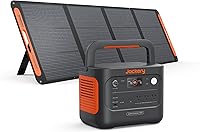
Goal Zero Yeti 300 Portable Power Station: Best for camping and home backup

- 350W AC output with 600W surge
- LiFePO4 battery rated for 4,000+ cycles
- High-speed charging in about 50 mins
- IPX4 water resistance
- Solar charging port with cable included
A compact Goal Zero Yeti for camping, tailgates and short outages, with fast charging and solar input for off-grid use.
Pros
- 350W output runs pumps, phones, laptops and lights
- Fast charging from 0% to 100% in about 50 mins
- LiFePO4 battery rated for over 10 years of daily use
- IPX4 rating for water resistance
Cons
- Heavier than the Jackery alternative here
- Solar panel is not included
It comes with multiple ports and a solar panel charging cable. The unit is portable and super quiet, which helps at night and indoors.
Goal Zero lists the model name as Yeti 300 and model number 36900.
The colour listed is berry and the material type is metal and metal alloy. That metal build helps explain the weight compared with plastic rivals.
The Yeti 300 is part of a newer generation line that also includes the 500 and 700 models, which are aimed at higher loads.
Our best portable power station guide gives the wider buying context. Within this group, output, weight and port layout differ more than capacity does.
The Yeti 300 sits in the middle on weight, but leads on AC output.
Who the Yeti 300 suits best
The Yeti 300 suits campers and home users who want one unit for both. It can run air pumps, recharge phones and laptops and power the Goal Zero Skylight, per Goal Zero.
It also works for tailgate parties, beach days and music festivals. The IPX4 rating and dust resistance help when power sits on dusty ground.
It can help during a power outage at home, too, for lights and small devices.
It is less suited to high-draw kitchen appliances or power tools above 350W. Check the wattage on any device first.
A larger station makes more sense if you need to run a fridge, heater or power tool for long periods.
Car campers will likely get more from the Yeti 300 than backpackers will. At 13.7 lb it is easy to load into a car but noticeable on a long hike.
Weekend camping, base camp and family trips suit that trade-off well.
Goal Zero Yeti 300 power station reviews: specs that matter daily
Daily use comes down to output, battery life and charging speed. The Yeti 300 has 350W AC output and 600W surge, so it handles startup spikes better than its running wattage alone suggests.
The LiFePO4 battery is rated for 4,000+ cycles. Goal Zero says that delivers over 10 years of daily use.
That matters if you charge and discharge it often for camping or backup.
High-speed charging takes it from 0% to 100% in about 50 mins. Low speed mode is quieter and cooler and helps preserve battery life, so pick the mode for the job.
The build uses metal and metal alloy. It passes testing for particulates and UL2743 requirements, with an IPX4 rating for water resistance.
It also handles extreme temperatures, according to Goal Zero.
The listed running wattage and output wattage are both 350 watts, with maximum engine power of 600 watts. The frequency is 60 hertz and the power source is AC, with electric start listed.
Those details matter when you match the unit to household devices. A 60 hertz output matches standard mains equipment in the United States.
Fuel type is listed as solar, which reflects its solar generator use rather than a fuel engine.
Setup: charging and solar pairing
Setup is simple: charge it, set the speed mode and pair a panel if you want solar. The unit ships in low mode from the factory, so you may want to switch to high speed before a trip.
For wall charging, high speed mode is the fastest route at about 50 mins. Low speed mode keeps the unit cooler and quieter and helps preserve battery life.
Choose low speed for overnight charging or indoor use.
For solar, the charging port pairs with a solar panel to turn this into a solar generator. Goal Zero recommends the Nomad 50 solar panel with the Yeti 300.
The solar panel charging cable is included in the box.
Place the panel in direct sun and keep connections dry. Avoid getting the unit excessively wet, even with an IPX4 rating.
Water resistance helps with splashes, not with full submersion. Plan solar charging around daylight, since shade from trees or tent sides will slow things down.
Care, storage and safe indoor use
Care is mostly about charge level, temperature and clean vents. Store the Yeti 300 in a dry place and follow the manual for how often to top up the charge during long storage.
Wipe the metal body with a soft, dry cloth. Keep dust and dirt away from ports and vents so the fan and contacts work well.
The IPX4 rating helps with outdoor dust and water, but it does not replace basic cleaning.
Goal Zero says the station is safe to use indoors. It is quiet and does not require gas or other fuel, so it does not emit fumes.
Use it on a stable, dry surface and keep the area ventilated.
Do not block the vents with blankets or gear. Heat builds up when airflow is limited, and that shortens battery life.
Avoid leaving the unit in a hot car or a freezing shed for long periods. Check the charge level before a trip and after long storage.
Trade-offs against weight and port count
The Yeti 300 trades weight for output and durability. At 13.7 lb, it is heavier than the Jackery Explorer 300 at 7.1 lb.
If you carry power a long distance on foot, that gap matters.
The Yeti 300 gives you 350W output versus 300W for both alternatives here. That extra headroom helps with air pumps and laptops at the same time.
It also has an IPX4 rating, which the other two do not list in the same way.
The Anker SOLIX C300 DC wins on port count with 7 ports. The Yeti 300 lists multiple ports and a solar cable, but the Anker unit is built around DC charging.
Pick based on whether you need AC outlets or mostly USB-C ports.
Weight also affects how you pack the car and how far you walk from the car to the tent. The Jackery Explorer 300 lists a plastic enclosure and an integrated handle at 7.1 lb.
The Anker SOLIX C300 DC lists 2.8 kg and a much smaller footprint at 4.89 x 7.87 x 4.72 inches.
Alternatives here
Two alternatives cover lighter weight and DC-heavy charging. Both use LiFePO4 batteries and sit close in capacity, near 290Wh.
Jackery Explorer 300 Portable Power Station
The Jackery lists 2 AC outlets, a 100W USB-C PD port, 2 USB-A ports and a 120W car port. It has 300W rated output with 600W peak surge.
The Yeti 300 gives you 50W more running power, but the Jackery is far easier to carry.
The Jackery Explorer 300 is listed at 7.1 pounds in its specs, with dimensions of 9.1 x 5.2 x 7.8 inches. It uses premium LiFePO4 chemistry with over 4,000 charge cycles before reaching 70 percent capacity.
Jackery estimates more than 11 years of reliable service life. For solar charging, it can reach 80 percent in about 2.8 hours with a 100W panel.
The box includes an AC adapter, car charger cable and user guide, while the solar panel is not included.
Anker SOLIX C300 DC Portable Power Station
The Anker unit delivers 300W and 288Wh. It has 1 car socket, 2 USB-C 140W ports, 1 USB-C 100W port, 1 USB-C 15W port and 2 USB-A ports.
It recharges to 80% in an hour with dual PD 3.1 USB-C. First-time activation needs an 18W or higher USB-C wall charger through USB-C2 or USB-C3.
The Anker SOLIX C300 DC lists a 1.5 hour battery charge time. It also lists smart temperature control and an impact resistant design.
The included items are the power station, a 60cm 140W USB-C to C charging cable, a safety manual and warranty info. The shoulder strap is not included.
For solar, Anker recommends a 100W or 60W panel and notes compatibility limits with some other panels.
How to choose between these three
Choose by load type first, then weight. If you need AC power for pumps, lights and laptops, the Yeti 300 leads.
If you hike far, the Jackery Explorer 300 leads on weight.
If your gear is mostly USB-C, the Anker SOLIX C300 DC leads on ports and fast DC charging. It also lists a 3-year guarantee and smart temperature control.
Check that your devices match its DC focus before you pick it.
All three use LiFePO4 chemistry. The Yeti 300 and Jackery both list over 4,000 cycles.
That means less worry about battery wear with regular camping use.
Think about your solar plans as part of the choice, not as an afterthought. The Yeti 300 includes a solar cable and Goal Zero recommends the Nomad 50 panel.
The Jackery pairs with Jackery panels and can use a 100W panel for faster solar charging. The Anker recommends 100W or 60W Anker panels and lists specific compatibility limits.
Also check the box contents, since none of these three includes a solar panel.
Our best Goal Zero Yeti power station page helps you compare larger Yeti models. A bigger Yeti makes sense if 350W feels tight for your gear.
Verdict for Goal Zero Yeti 300 power station
Pick the Yeti 300 for camping and home backup with AC loads, the Jackery for the lightest carry and the Anker for DC charging. Each suits a clear job, and the Yeti 300 covers the widest mix here.
Goal Zero Yeti 300 power station reviews point to the same strengths we found in the specs: fast charging, long battery life and a rugged build. At 13.7 lb, it is not the lightest, but it is a useful middle ground.
If you want more power for longer trips, read our Goal Zero Yeti Pro 4000 review next. It shows how a larger Yeti changes capacity, weight and cost trade-offs for bigger loads.
Frequently asked questions
How fast does the Goal Zero Yeti 300 charge?
Goal Zero says high-speed mode charges the Yeti 300 from 0% to 100% in about 50 mins. Low speed mode runs cooler and quieter and helps preserve battery life.
The unit ships in low mode, so change the setting if you want the fastest charge before a trip.
Can you use the Yeti 300 indoors?
Yes, Goal Zero says the Yeti 300 is safe to use indoors. It is quiet and does not need gas or fuel, so it does not emit fumes.
Keep vents clear, use it on a dry surface and follow the manual for storage and charging.
What solar panel works with the Yeti 300?
Goal Zero recommends the Nomad 50 solar panel for the Yeti 300. The solar charging port pairs with a panel to turn the station into a solar generator for camping and off-grid power.
A solar panel charging cable is included, and the panel itself is separate.
Is the Yeti 300 good for camping?
The Yeti 300 suits camping if your loads fit within 350W AC output. It can run air pumps, recharge phones and laptops and power the Goal Zero Skylight.
Its IPX4 rating, 13.7 lb weight and metal build help with dust, water and rough handling outdoors.