EcoFlow DELTA 3 Classic Review: Worth It? (November 2026)
The EcoFlow DELTA 3 Classic is a strong compact choice for home backup and everyday charging with 1024Wh capacity and 1800W output. Pick the unit alone for flexibility, or a solar bundle if you want off-grid recharging without buying a panel separately.
On this page (11 sections)
- The EcoFlow DELTA 3 Classic at a glance
- Who the DELTA 3 Classic suits best
- Specs that matter in daily use
- How the UPS and home backup work
- AC charging, solar charging and the app
- Setup for home, camping and RV use
- Care, storage and battery habits
- Trade-offs between the three listings
- Alternatives in this EcoFlow DELTA 3 Classic review
- How to choose between DELTA 3 models
- Verdict: which DELTA 3 Classic should you buy in this ecoflow delta 3 classic review
The EcoFlow DELTA 3 Classic review answer is simple: it suits home backup and charging when you need 1024Wh and 1800W in a 26.7 lb unit. EcoFlow rates the output at 1800W with 3600W surge and X-Boost up to 2600W for heavier loads.
That mix covers refrigerators, microwaves and laptops, according to EcoFlow. The LiFePO4 battery is rated for 10 plus years of daily use, which matters if you plan to use it often rather than store it for rare outages.
This review compares three listings of the same station. One is the unit alone, one adds a 220W bifacial panel and one adds 2x100W rigid panels.
The station specs stay the same, so the choice comes down to how you want to recharge.
We checked the specs for capacity, output, charging, UPS, size, weight and panel options. We also looked at how each bundle fits home, camping, RV and commercial use.
The EcoFlow DELTA 3 Classic at a glance
The DELTA 3 Classic gives you compact size with serious output for a portable power station. It measures 7.9 by 11.1 by 15.7 inches and weighs 26.7 pounds, so one person can carry it to a car or a storage spot.
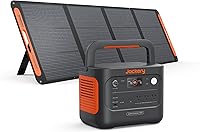
EF ECOFLOW Portable Power Station Delta: Best for flexible home backup

- 1024Wh capacity
- 1800W output with 3600W surge
- LiFePO4 battery
- Under 10ms UPS
- X-Stream AC charging
The unit-only version gives you the same DELTA 3 Classic output without tying you to a specific panel. It suits readers who already own solar or want to choose panels later.
Pros
- 1800W output for common home appliances
- Fast AC charging to 80 percent in 45 minutes
- LiFePO4 battery rated for 10 plus years of daily use
- Smart app control for monitoring and schedules
Cons
- Solar panel not included
- Not compatible with DELTA 2 Smart Extra Battery or Delta 3 Series Smart Extra Battery
The model number is EF-DL3-C and the frame uses metal and plastic with rubber insulation. EcoFlow lists recommended uses for camping, commercial and residential work, which matches the bundle descriptions.
The station includes only the DELTA 3 Classic in the unit-only version. That matters because you can add panels later, but you must buy them separately if you want solar charging.
If you want a broader shortlist first, our best portable power station guide puts this class of unit in context. It helps you compare capacity and output before you fix on one model.
Who the DELTA 3 Classic suits best
The DELTA 3 Classic suits homeowners who want backup for essential appliances. A 1024Wh battery will not run a whole house for days, but it can bridge an outage for a fridge, lights, phones, laptops and a microwave in short bursts.
It also suits campers and RVers who need AC power away from a shore hookup. The 1800W output is high for this size, and the 100W USB-C output helps charge laptops faster than small USB ports.
Office users who work on PCs or servers may value the UPS function. EcoFlow says the switch happens in under 10ms, which can reduce downtime and data loss during a power cut.
It suits buyers who want long battery life. LiFePO4 cells are rated for 10 plus years of daily use, according to EcoFlow, and the smart Battery Management System supports safe daily operation.
Skip it if you need to expand with certain extra batteries. EcoFlow states the DELTA 3 Classic is not compatible with the DELTA 2 Smart Extra Battery or the Delta 3 Series Smart Extra Battery.
Specs that matter in daily use
The key spec is 1024Wh of capacity paired with 1800W of AC output. Capacity tells you how long loads can run, while output tells you which appliances can start and run at once.
EcoFlow lists 3600W surge, which helps with motors that draw more at startup. X-Boost can support loads up to 2600W, according to EcoFlow, but you should still check the running watts of each appliance.
Runtime depends on the load. A 100W fan will run far longer than a 1000W microwave, and EcoFlow lists a runtime figure of 10 hours in the specs for the unit.
Treat that as a general rating, not a promise for every device.
The 26.7 lb weight makes it portable, but not light. You can carry it from a closet to a car, yet you may want a cart for frequent moves across a yard or campsite.
Charging speed is a practical plus. EcoFlow says X-Stream AC charging reaches 80 percent in 45 minutes, and the item highlight also mentions 1 hour fast charge.
That helps if you need a quick top-up before an outage or trip.
How the UPS and home backup work
The UPS function is designed for sensitive electronics during a power cut. EcoFlow says the DELTA 3 Classic switches to battery in under 10ms for PCs, servers and medical devices.
That fast switch can help a desktop stay on while you save work or shut down safely. It does not turn the station into a whole-home system, so you still need to choose which circuits and devices matter most.
Smart app control adds useful backup modes. EcoFlow lists Storm Alert and Self-Powered Mode in the app, along with usage monitoring and charging schedules.
Set those modes before an outage if you can. That way the station is ready to respond, rather than waiting for you to find your phone and change settings during a blackout.
Keep a short list of priority loads by the station. Put the fridge, router, phone chargers and medical devices at the top, then add a microwave or TV only if the wattage math works.
Our best ecoflow power station roundup helps you see where this model sits among other EcoFlow options. That comparison is useful if you want more capacity or different charging options.
AC charging, solar charging and the app
AC charging is the faster route when wall power is available. EcoFlow says 0 to 80 percent takes 45 minutes with X-Stream, which is quick for a 1024Wh unit.
Solar charging gives you off-grid independence, but the time depends on the panel. EcoFlow lists 2.5 hours with a 500W panel, 5.8 hours with the 220W panel and 6.4 hours with 2x100W rigid panels.
Those times assume good sun and correct placement. Clouds, shade, panel angle and cable length can all slow things down, so plan for slower results in winter or poor weather.
The EcoFlow app helps you track input, output and charge level. You can also set charging schedules, which may help if you want the station ready by a certain time.
Use the app to learn your normal loads. Run the fridge alone, then add a laptop, then test a microwave, and note how fast the percentage drops.
Setup for home, camping and RV use
Setup starts with placing the station on a firm, flat surface with airflow around it. Keep vents clear and keep the unit dry, especially when you use it outdoors.
Charge it fully before first use, then plug in one load at a time. Start with the largest appliance first to see if it runs, then add smaller loads while you watch the output reading.
For home backup, plug critical devices into the station before a storm if you can. Test the UPS with a lamp or phone charger so you know what happens when the switch occurs.
For camping, pack the station where it will not slide in transit. Secure it in the vehicle and keep cables away from walkways where people can trip.
For RV use, follow your vehicle maker guidance for electrical work. Use the station as a portable source rather than a permanent wired replacement unless a qualified person installs it correctly.
If you are new to EcoFlow, our guide on how to use ecoflow delta 2 covers shared habits like app use, charging and load checks. The steps are not identical for every model, but the workflow will feel familiar.
Care, storage and battery habits
Care is mostly about heat, charge level and clean vents. Store the station in a cool, dry place and avoid leaving it in a hot car or a damp shed for long periods.
Keep the vents free of dust and fabric. Wipe the housing with a dry or slightly damp cloth, and check cables for cuts or loose plugs before each trip.
EcoFlow rates the LiFePO4 battery for 10 plus years of daily use. That long life is easier to reach if you avoid frequent full discharges and store the unit at a moderate charge level.
Check the charge every few months if you store it. Top it up as EcoFlow directs in the manual, and run a quick self-check through the app to confirm the display and outputs work.
Use the Battery Management System as designed. The system monitors the battery, but it works best when you keep the unit within the permitted temperatures and avoid overloading the outputs.
Trade-offs between the three listings
The main trade-off is bundle convenience versus panel choice. The unit alone costs more in effort later if you want solar, but it avoids paying for a panel you may not need.
The 220W bundle suits portable use best. The bifacial panel has up to 25 percent conversion, according to EcoFlow, and the bundle recharges in 5.8 hours in the listed conditions.
That bundle may arrive in separate shipments. EcoFlow notes the station and panel will arrive separately, so wait for both parts before you plan a trip.
The 2x100W rigid kit suits a fixed setup better. The panels have 23 percent conversion efficiency, according to EcoFlow, and the kit recharges in 6.4 hours under listed conditions.
Rigid panels are harder to pack and more fragile in transit. They make more sense on a home wall, an RV roof or a trailer than in a camping tote.
All three versions share the same 1024Wh station, 1800W output and UPS. Your decision is about charging method and portability, not about station power.
Alternatives in this EcoFlow DELTA 3 Classic review
EF ECOFLOW Solar Generator Delta 3 Classic with 220W panel
This bundle suits campers who want solar power without separate panel shopping. The panel is geared for maximum efficiency when connected to an EcoFlow station, according to EcoFlow.
Choose it for weekend trips, tailgating and home backup where you can move the panel to follow the sun. The bifacial design can capture light from the rear side as well as the front.
EF ECOFLOW Solar Generator DELTA 3 Classic with 2x100W panels
This kit suits home users who want rigid panels for a set location. The two panels give you 200W total in a fixed array, with 23 percent conversion efficiency, according to EcoFlow.
Choose it for residential backup or an RV that stays in one spot for long periods. Plan the mount, cable route and sun path before you buy, since rigid panels are not made for quick packing.
How to choose between DELTA 3 models
Use your home first, then your travel habits to choose among DELTA 3 versions. Start with the loads you need during an outage and add up their running watts.
If the total stays well below 1800W, the DELTA 3 Classic has room for startup surge. If you plan to run a microwave and a fridge at once, test that mix and watch the output.
The Classic focuses on core backup and charging, while other versions may add different features.
Also read how to use ecoflow delta 3 for setup steps that match this family. That guide helps you plan first use, app setup and charging habits.
Choose the unit alone if you already own a suitable panel or want to wait. Choose the 220W bundle if you want portable solar in one purchase.
Choose the 2x100W kit if you want rigid panels for a fixed home or RV spot.
Verdict: which DELTA 3 Classic should you buy in this ecoflow delta 3 classic review
The unit-only DELTA 3 Classic is the best pick for most home backup buyers. It gives you the full 1024Wh and 1800W station without forcing a panel choice, and you can add solar later.
Pick the 220W bundle if you camp often and want solar charging with a portable panel. Pick the 2x100W rigid kit if you want a fixed solar setup for home or RV use and do not mind less portable panels.
On that basis, the station earns its place for home backup, charging and portable power, as long as you respect the battery compatibility limits.
Start with your priority loads, confirm total watts, then choose the bundle that matches how you will recharge. That simple order will keep you from buying panel capacity you will not use.
Frequently asked questions
What is the EcoFlow DELTA 3 Classic best for?
The DELTA 3 Classic suits home backup for refrigerators, microwaves, laptops and sensitive electronics. Its 1024Wh capacity and 1800W output cover common outage loads, while the under 10ms UPS helps protect PCs and servers during a switch.
How fast does the DELTA 3 Classic charge?
EcoFlow says X-Stream AC charging reaches 80 percent in 45 minutes. Solar charging depends on the panel, with the 220W bundle listed at 5.8 hours and the 2x100W kit listed at 6.4 hours under suitable sun.
Can the DELTA 3 Classic run a refrigerator?
EcoFlow lists refrigerators among the loads the 1800W output can handle. Check your fridge startup draw and estimate runtime from its running watts, since surge capacity and total energy both affect how long it will run.
Which DELTA 3 Classic bundle should I buy?
Choose the unit alone if you already own panels or want choice. Choose the 220W bundle for portable solar use, and the 2x100W rigid kit for a more fixed home or RV installation.