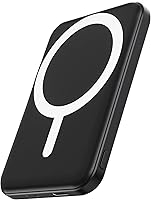
INIU Power Bank Recall Check
To check an INIU power bank recall, match the exact model and serial number on the label against the official recall notice. Stop using a unit that is listed, damaged, swollen, hot, or giving off a smell, and keep it away from bedding and bags until you get disposal or return steps.
On this page (9 sections)
- Where do I find the model and serial numbers on an INIU power bank?
- How do I read an official INIU power bank recall notice?
- What signs mean I should stop using a power bank right away?
- What should I do with a recalled or damaged power bank?
- How can I check a used or gifted INIU power bank?
- How do I know if a replacement power bank is a safer choice?
- How do I store and carry a power bank to lower fire risk?
- When should I contact INIU or a regulator about a recall?
- What is the safest final step if my INIU power bank is in a recall?
To check an INIU power bank recall, match the exact model and serial number on the label against the official recall notice. A close match in name does not count, since recalls often cover only one model, one color, or one batch range.
If your unit matches, stop use and follow the notice for replacement or disposal steps.
This guide walks through the check in the order that matters. You will find where the numbers live, what signs mean danger, how to read an official notice, and what to do next.
It also explains safer replacement choices, since a recalled bank should not stay in a drawer, a car, or a child's backpack.
Where do I find the model and serial numbers on an INIU power bank?
Look on the back label, the end cap, or the original box for the model number and serial number. The serial number is the long code that is unique to your unit, and it is the code that proves whether your batch is in scope.
Write both codes down before you search. Photos can help, but a clear photo of a small label is often hard to read later.
Handwriting the codes on paper makes the comparison fast and avoids mistaking a similar letter for a number.
Do not rely on the store name, the app name, or the color. Two banks can look the same and still have different model codes.
One model may be listed in a recall while a close cousin is not.
If the label is worn off, check the INIU app, your order email, or the box. If you still cannot find the code, treat the unit as unknown and ask INIU support to help you identify it from a photo.
How do I read an official INIU power bank recall notice?
Read the notice for the exact models, serial ranges, and dates, then compare each part with your label. An official notice should list what is affected, why it was recalled, and what owners should do next.
Start with the hazard description. It may mention overheating, fire risk, or a fault that can cause the cell to vent.
That part tells you how urgent the step is and whether a refund, a free replacement, or a special disposal process applies.
Next, check the serial range. Some recalls cover every unit of a model, while others cover only a narrow range of serial numbers.
A unit outside the range may still be safe, but only the notice can say that with proof.
Ignore screenshots, forum posts, and resale pages as proof. They can copy an old notice or mix two models.
Go to the official notice, the regulator page, or the brand's recall page, and use the links there.
What signs mean I should stop using a power bank right away?
Swelling, heat, smoke, a burnt smell, cracks, or a battery that will not hold a charge are stop signs. Any one of these signs means you should disconnect the cable and move the unit to a safe spot.
Heat during normal charging can be mild, but heat that keeps rising, a case that feels hot to the touch, or a unit that warms up while idle is not normal. Do not charge a phone while the bank sits on a bed, a couch, or in a closed bag.
A swollen case is a strong warning. The cell inside is under stress, and pressure can make the fault worse.
Do not press it flat, poke it, or try to open the case to fix it.
Leaking liquid, corrosion on the port, or repeated shutoffs also call for a pause. Our post on why do power banks explode explains how cell faults can turn into heat and fire, and why early signs matter.
What should I do with a recalled or damaged power bank?
Disconnect it, move it to a hard surface, and follow the official disposal or return steps. Do not put a recalled bank in household trash, a recycling bin, or a checked bag.
If the notice offers a refund or replacement, complete that process first. You may need to send a photo of the label, cut the cable as instructed, or ship the unit in a specific way.
Follow those steps exactly, since they are made for the fault in question.
If no return process is offered, ask a local hazardous waste program how to drop it off. Many towns hold monthly battery and electronics days.
Keep the unit in a dry, open area until drop-off, and keep it away from paper, fabric, and fuel.
Do not store a damaged bank in a hot car or a closed drawer with other items. If it starts to smoke or flames appear, leave the area and call emergency services.
Your safety comes before saving the device.
How can I check a used or gifted INIU power bank?
Check the label before you charge a phone with a used or gifted bank. A gift can be new to you and still be part of an old recall, so the check matters even when the box looks sealed.
Ask the giver for the order date and the seller name. That detail can point you to the right notice faster than a web search.
If the bank came from a resale site, ask for the model and serial photo before you use it.
If the label is missing, do not guess from the shape or logo. Some counterfeit or lookalike units copy a brand's style but use different cells and ports.
A missing label is a reason to pause, not a reason to test it on your main phone.
For everyday use after the check, our guide on how to use iniu power bank covers charging habits, cable choice, and storage. A short how to use a portable power bank guide also helps if you share the bank with family members.
How do I know if a replacement power bank is a safer choice?
Pick a replacement with a clear label, a known brand, and ports that fit your phone and cable. A safe choice is easy to identify later, since the model and serial codes stay readable and the brand keeps recall pages current.
Capacity matters for daily use. A 5,000mAh bank suits a single phone top-up, while a 10,000mAh bank can cover a phone and a second device.
Our power bank battery guide explains capacity, output, and charge counts in plain terms.
Wired charging is the most common path, but wireless models help when you want a clean bag. The BLAVOR Solar Power Bank is a 10,000mAh unit with USB-C output, wireless charging, and solar backup for outdoor use.
It suits readers who want a flashlight, a compass carabiner, and a small size for hiking.
The Jackery Explorer 300 Portable Power Station is a larger step, with 292Wh capacity, two AC outlets, USB-C PD, and solar charging support. It suits readers who need laptop power or home backup, not just a phone top-up.
The Anker 621 MagGo Power Bank is a 5,000mAh magnetic model that snaps to the back of a compatible iPhone. It suits readers who want light, one-hand use and a small footprint.
How do I store and carry a power bank to lower fire risk?
Store a bank in a cool, dry place, charge it on a hard surface, and carry it in a case or pouch. Heat, pressure, and loose metal contacts make a cell fault more likely to cause harm.
A case can help, and our guide to the best power bank case shows what to look for in padding, size, and port access. Keep coins, keys, and cables from pressing on the ports during travel.
Charge the bank in the open, not under a pillow or inside a closed cabinet. Use the cable that fits the port, and stop if the case warps, the port smells burnt, or the unit shuts off again and again.
For long storage, keep the charge near half if the brand advises it, and check the unit every few months. A bank that sits unused for a year can still fail when you finally need it, so a quick visual check each season is wise.
When should I contact INIU or a regulator about a recall?
Contact INIU when your model matches, your label is unclear, or the notice steps do not fit your case. Keep the model, serial, and a photo ready, since support teams ask for those first.
Contact a regulator or your local fire office when a unit is smoking, leaking, or stored in a shared space. A quick call can tell you how to move or drop off a unit that the brand has not addressed.
Keep a record of each step. Save the notice link, the date you checked, and any case number from support.
That record helps if a seller asks for proof or if you need to file a claim later.
If you want a newer INIU model, our best iniu power bank guide compares current options by size, ports, and daily use. Compare those picks with the recall notice, so you do not buy another unit from the same affected batch.
What is the safest final step if my INIU power bank is in a recall?
The safest final step is to stop use, confirm the match, and use the official return or disposal path. Do not give a recalled bank to a friend, a child, or a charity shop, even if it still charges.
Double-check the model and serial one last time before you act. A wrong match can send a good bank to disposal, while a missed match can leave a risky unit in daily use.
Slow, exact checking protects both ways.
Choose a replacement that fits your phone, your bag, and your habits. A clear label, a known brand, and a case for travel are small steps that make the next bank easier to check and safer to store.
Frequently asked questions
How do I check whether my INIU power bank is recalled?
Find the model number and serial number on the back label, then compare both with the official recall notice for that exact model. A similar name is not enough, since recalls often cover only some batches.
If your unit matches, follow the notice for a refund, replacement, or safe disposal.
What should I do if a power bank is swollen or hot?
Stop charging, disconnect the cable, and move the unit to a hard, nonflammable surface away from people and exits. Do not put it in a bag, trash bin, or car trunk.
Contact the brand or local hazardous waste program for drop-off steps, and do not try to puncture or open it.
Can I keep using a power bank that is not recalled?
You can keep using it if the model is not listed and it shows no damage, swelling, odor, or heat during normal use. Charge it on a hard surface, use the correct cable, and stop if it feels abnormally hot.
Our guide to how to use iniu power bank covers everyday care in plain steps.