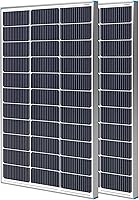
How to Keep Portable Solar Panels Secure
Keep portable solar panels secure by placing them in view, anchoring their frames to a fixed point, and locking or removing them when you leave. Route cables to avoid trips, and don't rely on a cable or stand alone to stop theft.
On this page (9 sections)
- How do you keep portable solar panels secure?
- Where should you place a panel to reduce theft and movement?
- How can you anchor a portable panel without damaging it?
- How do you stop wind from moving a portable panel?
- How should you route cables around a secure setup?
- Do portable solar panels need a person nearby?
- How do you secure a panel while charging a power station?
- What should you check before leaving a panel outside?
- How do you keep portable solar panels secure during unattended use?
Keep portable solar panels secure by placing them in view, anchoring the frame to a fixed point, and locking or storing them when you leave. A stand helps with positioning, but it doesn't prevent theft or stop a gust from moving a lightweight setup.
Portable panels are designed to move, so security comes from a few practical habits: choose a visible site, use suitable anchors, control the cable, and pack the panel away when conditions change. The right setup depends on whether you're camping, charging at home, or leaving a panel outside an RV.
How do you keep portable solar panels secure?
Use a stable stand, a separate lock or tether, and a location you can monitor. Don't count on the panel's weight, its cable, or a stand by itself to secure it.
Start by placing the panel on level ground where people won't step over it. Keep it within sight of your campsite, vehicle, or window when possible.
If the panel has a frame or approved attachment points, use those for a removable cable lock or tether to a fixed object. Avoid drilling, clamping across the cells, or tying a cord around a sharp edge, since that can damage the panel or its wiring.
A portable setup may need to move as sunlight changes. If you want to adjust the panel's angle during the day, first consider which way to face solar panels and leave enough cable slack for safe movement.
Where should you place a panel to reduce theft and movement?
Choose a visible spot on firm, level ground, away from paths, vehicle doors, and loose edges. A hidden corner can be easier to steal from and harder to check.
Avoid placing the panel where a door, awning, or passing person could hit it. Don't set it near a drop-off or where runoff can carry it, and keep it clear of campfire heat.
Check the surface before unfolding the panel. Soft sand, uneven grass, or gravel may let a stand tip or shift, so use a broader stable base or relocate to firmer ground.
A portable solar panel stand with wheels can make repositioning easier on suitable surfaces. Lock its wheels if it has them, and secure the stand and panel separately when theft or wind movement is a concern.
How can you anchor a portable panel without damaging it?
Attach the security cable to the panel frame or a purpose-built anchor point, then connect it to a fixed object. Keep the lock clear of glass, cells, hinges, and electrical connectors.
Use a cable lock sized for the panel's frame and the anchor. A thin tether may discourage someone from walking off with the panel, but it can be cut, so remove the panel when you can't monitor it for an extended time.
For ground setups, stakes may help hold a stand if the terrain and stand design allow them. Check for buried utilities before driving stakes at home, and don't assume a stake will hold in wet, loose, or rocky soil.
Never use the panel's electrical cable as a security tether. Pulling on a connector can loosen or damage the connection, and a cable doesn't stop someone from unplugging and carrying the panel away.
How do you stop wind from moving a portable panel?
Follow the panel and stand instructions for wind limits, and fold or bring the panel in when gusts are expected. A portable panel can catch wind even when its surface looks low to the ground.
Set the stand on a level surface and use only its intended supports or tie points. Don't add weights on top of the cells or prop the panel with loose objects that could fall.
If you use a separate weight or anchor on the stand, keep it away from cables and walkways. Recheck the setup after changing the panel's angle, since a higher tilt can make it less stable.
A portable solar panel tracker can move a panel to follow sunlight, but moving parts and a changing angle still need a stable base and regular checks. Tracking doesn't replace an anchor or a plan for strong wind.
Can you secure a folding panel while it's open?
Yes, if the panel has a frame or attachment points intended for securing it. Use those points and keep any strap or lock away from the solar cells and hinges.
For a folding panel without an obvious lock point, secure the stand instead and keep the panel within view. Don't clamp fabric sections or pinch the wiring to create an improvised attachment.
How should you route cables around a secure setup?
Run cables along the ground edge or another protected route, and keep them out of walking paths. Leave enough slack for safe panel adjustment without letting loops catch shoes or wheels.
If the panel and power station are separated, choose a cable length that reaches without pulling on the panel connector. The [BougeRV 20 Feet 10AWG Solar Extension Cable] has 20 ft of cable and a built-in lock on its male connector, which can help keep the electrical connection seated.
That connector lock helps hold the plug together; it isn't a theft lock. Keep the cable itself secured and protected from vehicle tires, sharp edges, water pooling, and accidental pulling.
Use connectors that match your panel and power station, and follow their instructions when connecting or disconnecting. For a Renogy setup, see how to install Renogy solar panels for installation considerations.
Do portable solar panels need a person nearby?
Keep panels in sight when practical, and store them when you can't check on them. A portable panel left unattended in a public or shared area is vulnerable even if it is locked.
At a campsite, place the panel close enough to your tent or vehicle that you can notice movement. When leaving for a hike or overnight, fold it and store it in a locked vehicle or another secure place if the panel's instructions allow that storage.
At home, use a visible area and bring the panel in after charging if the yard is accessible to passersby. Don't leave a panel blocking an exit or where someone could trip over its stand or cable.
How do you secure a panel while charging a power station?
Keep the panel stable and the power station shaded, dry, and protected from traffic. The charging cable should reach without strain, and neither device should block a doorway or escape route.
A 100W foldable option such as the DOKIO kit includes a 9.84 ft cable, so it can be placed in sunlight while the controller or power station stays shaded. It folds for storage when you're done charging.
Check your power station's input limit before connecting a panel. DOKIO notes that some power stations cap solar input, so a panel may deliver less than its rated maximum in full sun.
For a larger setup, the DOKIO 200W kit also includes a 9.84 ft cable and a separate PWM controller. Its folded form can be stored after use, reducing the time it stays unattended outdoors.
The included controller is described as protecting a 12V system against reverse polarity, overcharge, overload, and short circuit. Those charging protections don't secure the panel physically, so use a suitable anchor and cable route as well.
What should you check before leaving a panel outside?
Check the forecast, anchor, cable route, and storage plan before walking away. If wind, rain, or access makes the setup uncertain, fold and store the panel.
Confirm that the stand sits flat and that any lock or tether is attached to a fixed point. Look for cable loops, pinched wires, loose connectors, and anything that could snag or trip someone.
After repositioning, check that the panel still faces the sun and that the cable isn't pulling on its connector. If the panel is wet or dirty, follow the care guidance in how to keep portable solar panels clean.
How do you keep portable solar panels secure during unattended use?
For unattended use, anchor the frame to a fixed object, keep the panel visible, and store it when you can't monitor it for a long time. A stand and connector lock help with setup, but neither replaces a physical lock or a storage plan.
Choose the 100W DOKIO kit if you want a foldable panel with a 9.84 ft cable for separated placement. Choose the 200W kit if its size and input needs fit your system, and use the BougeRV extension cable when you need a longer connection.
For a complete overview of what is a portable solar panel and how to choose one, start with the buying guide. A portable power setup also needs backup planning, so see what is a portable UPS if you need power during an outage.
Frequently asked questions
How do you stop portable solar panels from being stolen?
Keep panels where you can see them, secure the frame to a fixed object with a lock or removable cable, and take them inside when you leave for a long time. Use a lock point that doesn't damage the panel, and remember that a cable can deter quick theft but may be cut.
Can you leave portable solar panels outside overnight?
You can leave them outside only if the location, weather, and panel instructions allow it, but portable panels remain easier to steal or move than fixed arrays. Fold and store them when practical, or anchor them to a fixed point and check the forecast before leaving them out.
Should portable solar panels be staked down?
Stakes can help keep a stand from shifting on suitable ground, but they don't secure a panel against theft and may not hold in loose soil or wind. Use only attachment points designed for the panel or stand, and add a separate lock to a fixed object when theft is a concern.
How can you secure a portable panel without blocking sunlight?
Place the panel in a visible sunny area and route a lock or tether from its frame to a fixed point without crossing the panel face. Keep the cable slack clear of walkways, and adjust the panel's direction as the sun moves if needed.