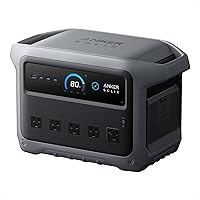
Portable Power Station vs Solar Generator: Difference (November 2026)
A portable power station stores electricity in a battery, while a solar generator usually means that same battery station paired with solar panels. The terms often describe different parts of one backup-power setup.
On this page (10 sections)
- Portable power station vs solar generator: what is the difference?
- Is a solar generator really a generator?
- Which products are battery stations and which are solar kits?
- Does a portable power station need solar panels?
- When does a bundled solar panel make sense?
- Which matters more, watt-hours or watts?
- Which setup suits camping and travel?
- Which option works better for home backup?
- What should you check before buying?
- Portable power station vs solar generator: which should you choose?
A portable power station is the battery unit, while a solar generator usually means a portable power station used with solar panels. The difference is mainly about the complete setup, not a separate kind of battery.
It helps to think of the battery station as the part that stores and delivers power. The solar side is what helps refill that stored power when you are away from a wall outlet.
A battery station can charge from a wall outlet, car connection or solar panel, depending on its design. Some models support several of those options, while others focus on fewer inputs.
A solar generator normally includes the battery station and the solar charging side, but the panel may be sold separately. That is why the box contents matter more than the name on the listing.
Charging choices change daily use in a practical way. Wall charging is simple before a trip or an outage, car charging suits road travel, and solar charging suits longer time outdoors.
This portable power station vs solar generator guide compares the terms, charging methods, output, capacity and the 4 products selected for A to Z Battery. It also looks at who each setup suits and what trade-offs come with each choice.
If product origin matters, see US-made solar generators. Origin can matter for some buyers, but capacity, output and included accessories usually shape the fit more directly.
Portable power station vs solar generator: what is the difference?
A portable power station stores electricity, and a solar generator combines stored battery power with solar charging. The battery station is the core device in both setups.
The station contains the battery, inverter, charging circuits and output ports. It can supply power through AC outlets, USB ports or a DC car port when it has enough charge.
The phrase solar generator describes how the system is recharged or packaged. It does not necessarily mean the product contains a fuel engine or creates power from sunlight without a battery.
That distinction matters when you compare a portable power station solar generator package with a battery-only unit. A station may be advertised with solar-generator wording even when the solar panel is optional.
Is a solar generator really a generator?
A solar generator is usually a battery backup system, not a fuel generator with an engine. It stores energy first, then supplies that energy to connected devices.
Traditional generators burn fuel to produce electricity while running. That means they need fuel, air flow and a way to manage exhaust and noise during use.
A portable solar generator stores electricity in a battery and uses an inverter to provide AC power. The battery is charged before use or through a supported charging source.
This storage-first design suits quieter and cleaner use in places where fuel may not be practical. It also suits short backup needs, camping, travel and small electronics.
There is no fuel to buy or store, and no engine to start when power is needed. You do need to plan ahead, because the station can only supply the energy it has stored.
This means you should compare battery capacity in watt-hours and output in watts. A higher watt-hour number generally gives you more stored energy for the same device.
The output rating helps determine which devices the station can run at one time. A device may fit within the wattage limit but still drain the battery faster than expected.
Surge or peak ratings can help with brief starting needs, but they should not replace the continuous or rated output figure. Check the device label and add up the loads you plan to run together.
The terms are not perfectly consistent across brands. Some listings use solar generator to describe the battery station alone, while others use it for a full kit with a panel.
Read the included-items section carefully if you need a portable solar generator power station with panels in the same package. Confirm what arrives in the box, including cables and adapters.
Also check which charging sources are supported before you plan a trip or an outage. A station that suits home backup may not suit off-grid solar charging without the right panel and cable.
For daily care, keep the station charged as the manual directs and store it in a cool, dry place. Avoid overloading the outlets and keep vents clear so the unit can manage heat during use.
Which products are battery stations and which are solar kits?
The MARBERO package is the only product here that clearly includes a foldable solar panel. The other 3 products are portable power stations that can be used with solar charging, but their panels are optional or separate.
| Product | Best for | Capacity | Rated output | Weight | Our score |
|---|---|---|---|---|---|
| Jackery Explorer 300 Portable Power Station | light carry | 292Wh | 300W | 7.5 lb | 9.6 |
| Jackery Explorer 1000 v2 Portable Power Station | higher output | 1,070Wh | 1,500W | 23.8 lb | 9.5 |
| BLUETTI Elite 30 V2 Portable Power Station | UPS backup | 288Wh | 9.5 lb | 9.3 | |
| MARBERO 237Wh Solar Generator with Solar Panel | a ready solar kit | 237Wh | 300W | 9.1 |
The Jackery Explorer 300 has a 292Wh capacity, a 300W rated output and a 7.5 lb weight. It includes an AC adapter, a car charger cable and a user guide, but its solar panel is not included.
The Jackery Explorer 1000 v2 has a 1,070Wh capacity and 1,500W output, with a 3,000W surge peak. It weighs 23.8 lb, includes the Explorer 1000 v2 and a user manual, and its solar panel is not included.
The BLUETTI Elite 30 V2 stores 288Wh and provides 600W continuous output, with 1,500W lifting power. It weighs 9.5 lb and includes an AC charging cable, car charging cable and user manual.
The MARBERO M823 package has a 237Wh battery, 300W rated output and a 60W foldable solar panel. It also has LED flashlight, strobe and SOS modes for outdoor or emergency lighting.
Does a portable power station need solar panels?
No, a portable power station does not need solar panels to supply stored power. You can charge the battery from another supported source, then use it when you need AC, USB or DC power.
Solar panels become useful when you want to recharge away from a wall outlet. They can also help extend an emergency setup during a long outage, but charging speed depends on sunlight, panel wattage and the station's input limits.
The Explorer 300 supports charging from AC, car power and compatible Jackery solar panels. The Explorer 1000 v2 also supports solar charging, but its solar panel is not included and the product information says it is compatible only with Jackery solar panels for solar charging.
The BLUETTI Elite 30 V2 supports AC, car, lead-acid battery and solar charging. It can use compatible BLUETTI panels, while some other panels require a separate solar charging cable.
When does a bundled solar panel make sense?
A bundled panel makes sense when you want one box with the battery and a way to recharge it outdoors. It reduces the risk of forgetting a cable or choosing a panel that does not match the station.
The MARBERO 237Wh Solar Generator includes a 60W foldable solar panel. Its setup uses the supplied DC cable and the correct adapter, then places the panel in direct sunlight.
A bundled panel does not guarantee fast charging in every situation. Cloud cover, shade, angle and the station's charging limits can change how much energy reaches the battery.
A station without a panel may still be the better choice if you already own compatible panels or want a larger panel later. The best portable power station guide can help you compare battery size, output and charging needs before adding solar equipment.
Which matters more, watt-hours or watts?
Watt-hours tell you how much energy the battery stores, while watts tell you how much power the station can supply at one time. You need both numbers to match the station to your devices.
A 237Wh or 292Wh station can suit phones, lights, cameras, laptops and other smaller electronics. Runtime still depends on the device's actual draw and the station's conversion losses.
The Explorer 1000 v2 has 1,070Wh and 1,500W output, so it offers more stored energy and supports higher-power devices than the 300W models. Its larger size also means more weight to carry.
The BLUETTI Elite 30 V2 has 600W continuous output and 1,500W lifting power. Treat those as different figures.
Lifting power is not the same as running a 1,500W load continuously.
For a closer comparison with another power system, see our guide to portable power station vs inverter. An inverter may use a separate battery, while a portable station combines the battery and power electronics in one unit.
Which setup suits camping and travel?
Choose a lighter battery station for short trips and a solar kit when you expect to stay away from outlets. Carry weight, battery size and panel setup time all affect daily use.
The Jackery Explorer 300 weighs 7.5 lb and has an integrated handle. Its 292Wh capacity and 300W rated output suit smaller devices when easy carrying is the main goal.
The BLUETTI Elite 30 V2 weighs 9.5 lb and has 288Wh capacity. Its 600W continuous output gives more output headroom, and its 10ms UPS function may help keep compatible devices powered during a brief interruption.
The MARBERO M823 adds a 60W foldable panel to its 9 lb package. That makes it a practical choice when you want a portable solar generator power station set for daytime recharging and basic lighting.
Before a trip, charge the station, inspect cables and place the panel where it receives direct sunlight. Keep the battery and connections dry unless the manual specifically allows otherwise.
Which option works better for home backup?
A larger portable power station suits longer or heavier home-backup needs, while a solar generator setup adds a way to recharge during an extended outage. For home use, compare solar generators for backup.
Neither option automatically powers every appliance in a home.
The Explorer 1000 v2 is the highest-capacity option here at 1,070Wh, with 1,500W output and 3,000W surge peak. Its 23.8 lb weight makes it less convenient to move than the smaller stations.
The BLUETTI Elite 30 V2 supports a 10ms UPS function and can provide up to 600W continuous output. That makes it relevant for devices such as laptops, routers and CPAP machines, but check each device's power requirements first.
A battery station can keep selected devices running, but large heating appliances and other high-draw loads may exceed a station's output. Our guide to portable power stations for home backup covers how to match a station to the devices you need during an outage.
For a fuel-powered comparison, read portable power station vs generator. That choice involves noise, fuel storage, ventilation and the type of backup power you need.
What should you check before buying?
Check the battery capacity, continuous output, charging sources and included accessories before choosing a portable power station or solar generator. Those details tell you whether the package fits your actual use.
First, list the devices you want to run and find their wattage. Add starting-power needs for devices with motors, then compare the total with the station's continuous and surge ratings.
Next, decide how you will recharge. Wall charging is useful before an outage, car charging helps on road trips and solar charging matters when you need off-grid energy.
Then check whether the solar panel is included. The phrase solar generator portable power station does not always mean a panel comes in the box.
Finally, plan where the station will sit and how you will carry it. A larger battery may provide more runtime, but a lighter unit can be easier to move between a vehicle, campsite and home.
For more solar-focused comparisons, see the best portable power station with solar panels. If you prefer a familiar brand lineup, our guide to the best Jackery power stations compares Jackery options by use.
Portable power station vs solar generator: which should you choose?
Choose a portable power station when you mainly need stored battery power, and choose a solar generator setup when you also need solar recharging. The best choice depends on the devices, runtime and charging access you need.
Pick the Jackery Explorer 300 for light carry and small devices. Pick the Jackery Explorer 1000 v2 for the largest battery and highest rated output in this group.
Choose the BLUETTI Elite 30 V2 when a compact station with UPS support and 600W continuous output fits your backup plan. Choose the MARBERO M823 when a 60W foldable panel included in the package matters most.
The words portable power station and solar generator can describe the same battery unit in different contexts. Focus on the watt-hours, watts, charging methods and included panel instead of relying on the label alone.
A related explanation of battery terminology is What Is the Difference Between a UPS and a Battery Backup?. You can also read What Is a Portable UPS? if uninterrupted device power is your main concern.
Frequently asked questions
Is a portable power station the same as a solar generator?
Not always. A portable power station is the battery unit that stores electricity and supplies AC, USB or DC power.
Solar generator usually describes a portable power station used with solar panels.
Some packages include panels, while others sell the station alone.
Can a portable power station work without solar panels?
Yes. A portable power station can usually charge from an AC outlet, and some models also support car charging.
Solar panels are optional for models such as the Jackery Explorer 300 and Explorer 1000 v2, so you can use stored battery power without building a solar setup.
Does a solar generator make electricity at night?
A solar generator does not create new solar energy at night. The battery station can still power devices after dark if it has stored charge.
During the day, solar panels can add energy when sunlight, panel placement and the station's charging limits allow it.
Which is better for home backup, a portable power station or solar generator?
A portable power station is enough for short outages when you can recharge from an outlet. A solar generator setup adds a way to recharge away from the grid.
Choose battery capacity and output first, then add panels if you need longer off-grid use.
Do solar generators include solar panels?
Some do and some do not. The MARBERO 237Wh Solar Generator includes a 60W foldable solar panel, while the Jackery Explorer 300 and Explorer 1000 v2 list solar panels as optional.
Check the exact package before you plan your charging setup.